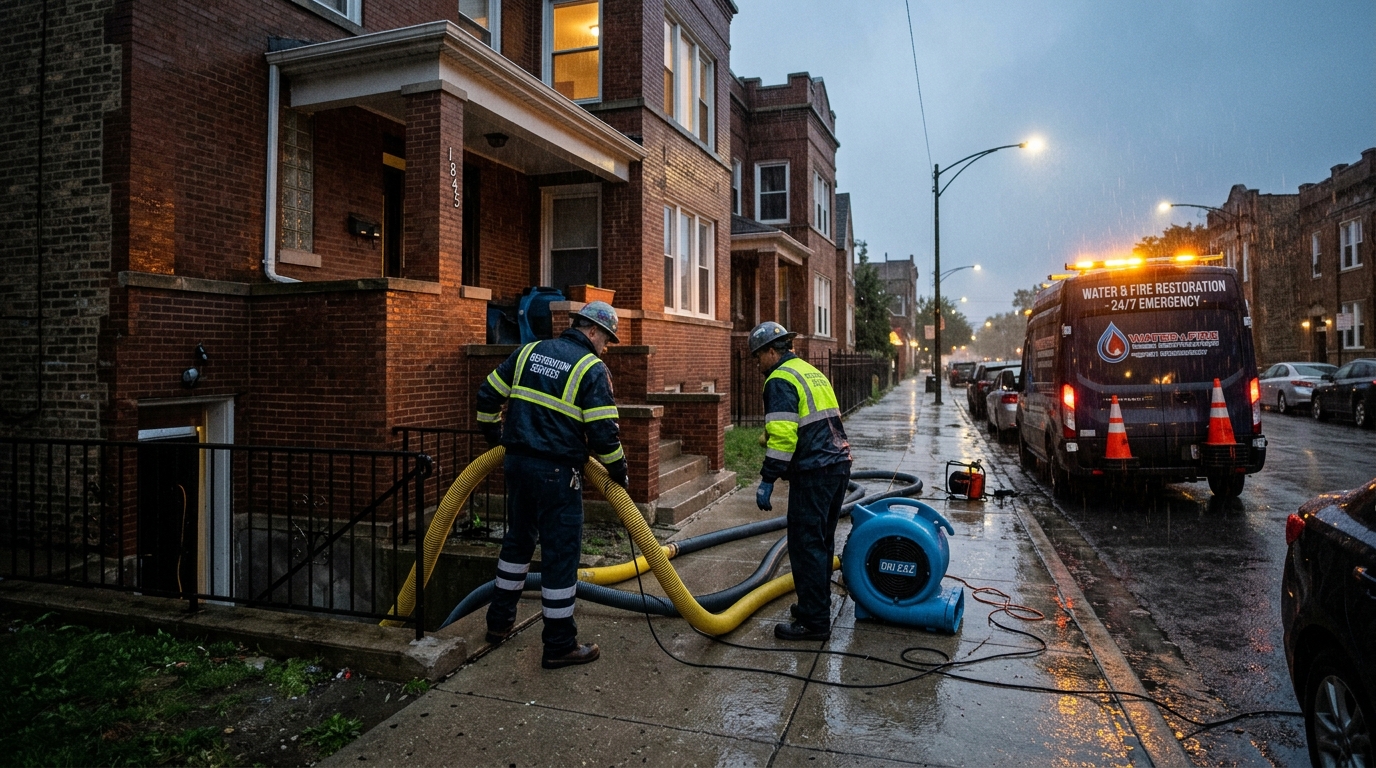
⚡ SEVERE WEATHER & FLOOD VULNERABILITY ALERT: Saturated soil profiles across Cook, DuPage, and Lake counties have created extreme hydrostatic pressure against subterranean residential foundations. Following rapid convective precipitation bursts, primary submersible sump pumps are experiencing widespread mechanical fatigue and switch lockup. Homeowners must inspect sump pits immediately and prepare emergency mitigation protocols to prevent extensive basement drywall and flooring destruction.
🌧️ Meteorological Summary & Soil Saturation Dynamics
According to recent meteorological data from the National Weather Service (NWS Chicago/Romeoville), recurring summer storm systems have deposited localized rainfall rates exceeding 2 inches in under 60 minutes across the Chicago metropolitan area.
Because regional clay-heavy soils have reached complete hydrological saturation, excess stormwater cannot absorb naturally into the ground table. Instead, surface runoff pools along residential foundation perimeters, exerting severe lateral hydrostatic pressure against poured concrete slabs and historic brick masonry foundations throughout Chicago two-flats and single-family bungalows.
⚠️ The Primary Mechanisms of Sudden Basement Flooding
During heavy flash flood conditions, subterranean water intrusion occurs along three common pathways:
- Mechanical Sump Pump Thermal Overload: When continuous runoff forces a 1/3 HP or 1/2 HP primary pump to run non-stop for several hours, the electric motor can overheat or the vertical float switch can stick. A single mechanical failure quickly leads to rapid basin overflow, spreading inches of water across finished basement floors.
- Hydrostatic Foundation Seepage: Ground pressure forces water through cold joints (the seam between the basement floor slab and foundation walls), cove joints, and hairline settling cracks.
- Storm Grid Power Interruption: Lightning strikes and downed power lines can instantaneously cut utility power. Without a dedicated dual-battery backup system or auxiliary water-powered backup pump, sumps immediately stop cycling, demanding immediate Basement Flood Cleanup.
🔍 Structural Consequences of Delayed Water Extraction
Water trapped within a finished subterranean space causes progressive damage within hours:
- 0 to 2 Hours: Water saturates carpet padding, migrates beneath floating laminate flooring, and begins wicking up drywall via capillary action.
- 24 Hours: Drywall softens and loses structural integrity; baseboards warp; electrical conduits within floor cavities become corroded.
- 48 Hours: Mold spores (Stachybotrys and Aspergillus) germinate in dark, moist wall cavities, transitioning Category 1 clean water into Category 3 hazardous environments.
Immediate deployment of high-capacity Emergency Water Extraction pumps and industrial Hardwood Floor Drying mats is essential to salvage building materials and prevent costly structural gutting.
📋 Emergency 5-Step Action Checklist for Chicago Residents
If your sump basin is overflowing or water is actively seeping through basement walls, follow these urgent response guidelines:
- Inspect Without Touching Standing Water: Ensure no power cords, extension strips, or submerged appliances are live in the water. If the breaker box is safely accessible from dry stairs, disconnect subterranean circuits.
- Check the Float Switch: If safe to approach, verify that your sump pump float switch is moving freely and not wedged against the pit wall or discharge piping.
- Elevate Soft Goods & Valuables: Relocate storage boxes, family memorabilia, upholstered furniture, and consumer electronics to higher levels or place them on plastic risers.
- Log Video & Photo Evidence: Document the precise waterline against walls, the status of the sump pump pit, and all affected property before water levels recede.
- Call Emergency Restoration Dispatch: Professional teams utilize commercial infrared moisture detection to map hidden moisture pockets inside wall cavities and deploy industrial-grade Structural Drying systems.
🚨 Need Emergency Pumping & Extraction Right Now?
Chicago Water Emergency operates 24 hours a day, 7 days a week with rapid 30-to-45 minute dispatch targets throughout Chicago and all Cook County suburbs. Our IICRC-certified crews arrive fully equipped with truck-mounted suction extractors, anti-microbial treatments, and industrial dehumidification equipment.
- Emergency Dispatch Center: (844) 213-6249
- Insurance Assistance: We provide 100% direct insurance billing, streamlining documentation and communicating directly with your claims adjuster.