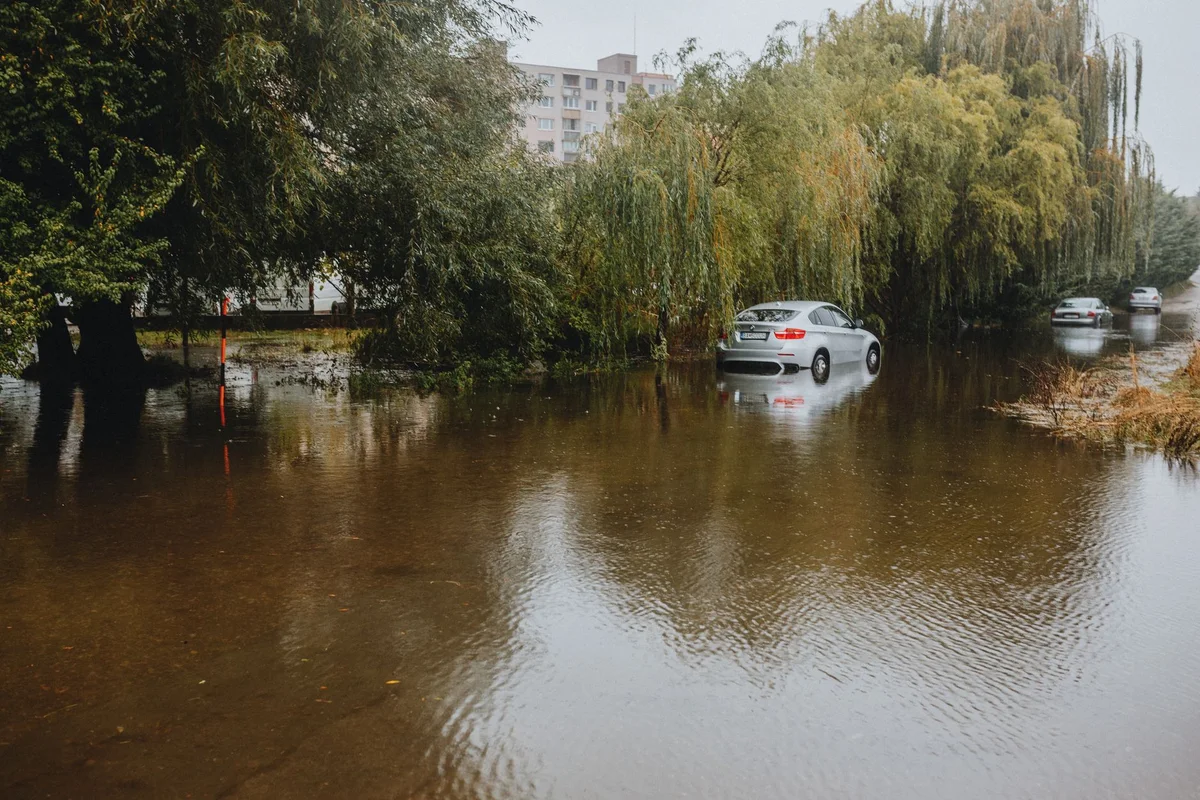
⚠️ CRITICAL EMERGENCY ALERT: The National Weather Service (NWS Chicago/Romeoville) has issued active Flood Advisories across East Central Cook, DuPage, Kane, and Will counties following recurrent convective storm bands and heavy localized downpours exceeding 1 to 2 inches per hour. With MWRD deep tunnel reservoirs nearing storage thresholds, residential combined sewer systems face severe hydraulic surcharge, significantly increasing the probability of Category 3 blackwater floor drain backups and mechanical sump pump overflows throughout Chicagoland basements.
📡 Live Weather & Local Infrastructure Conditions
- Official Weather Status: Active NWS Urban and Small Stream Flood Advisories remain in effect across northeastern Illinois. Convective rain bands continue to produce intense precipitation rates of 1.0–2.0+ inches per hour over saturated ground, elevating flash urban runoff in low-lying zones from Chicago’s South and West sides into suburban Cook, DuPage, Kane, and Will counties.
- Municipal Impact: The Metropolitan Water Reclamation District of Greater Chicago (MWRD) has issued an active Overflow Action Alert, urging regional water reduction as the McCook Reservoir and Deep Tunnel system approach operational capacity. Low-clearance Chicago rail viaducts and arterial drainage basins are experiencing stormwater ponding, placing excessive backpressure on municipal combined sewer lines.
- Grid & Utility Disruptions: ComEd emergency crews continue restoration operations following recent regional severe weather. Isolated distribution disruptions and power blips continue to compromise primary residential sump pumps, leaving properties without operational backup battery systems highly vulnerable to sudden subterranean inundation.
⚠️ High-Risk Water Damage Hazards Across Chicagoland
- Category 3 Municipal Sewer Surcharge: When regional combined sewer mains reach full capacity during heavy rainfall events, stormwater and raw domestic sewage back up through subterranean pathways, forcing biohazard-laden blackwater up through basement floor drains, utility sinks, and lower-level plumbing fixtures. Immediate professional Sewage Backup Cleaning is essential to sanitize affected spaces and eliminate harmful pathogens.
- Sump Pump Overload & Mechanical Failure: Relentless hydro-static ground pressure and elevated water tables force primary sump pumps to run continuously, leading to thermal overload, switch failure, or electrical trip-outs. Once a sump basin overflows, water rapidly spreads across basement concrete slabs and into finished living areas, necessitating rapid Basement Flood Cleanup.
- Subfloor Moisture Migration & Wall Cavity Absorption: Standing water swiftly wicks upward into drywall, baseboards, insulation, and framing timbers via capillary action. Without commercial-grade dehumidification and precision moisture mapping, trapped dampness degrades finished surfaces, demanding specialized Hardwood Floor Drying and comprehensive Structural Drying to restore building assemblies.
🚨 Immediate Action Protocol for Property Owners
- Safety First: Never step into standing basement water if the water level approaches electrical outlets, extension cords, or the main breaker panel. If safe to reach from a dry location, shut off power to the basement circuit. Treat all municipal drain backups as contaminated Category 3 blackwater and avoid skin contact.
- Mitigation Steps: Move unaffected personal property, furniture, and critical documents to higher levels. Document all standing water, water lines on drywall, and damaged mechanical equipment with detailed timestamped photographs and video for insurance adjustment. Do not run household appliances or dispose of building materials prior to initial documentation.
- Dispatch Support: Contact emergency restoration dispatch to initiate high-volume truck-mounted water extraction, anti-microbial decontamination, and psychrometric moisture management. Experienced field teams provide direct insurance carrier billing and coordinate directly with claims adjusters to streamline the recovery process.