24/7 Ceiling & Wall Water Leak Repair in Chicago
Rapid response for active ceiling drips, drywall bulges, upstairs apartment plumbing breaks, and ice dam water intrusion across the Chicago metro area.
Immediate Steps for an Active Ceiling Water Leak
Thermal Leak Detection & Ceiling Joist Drying Process
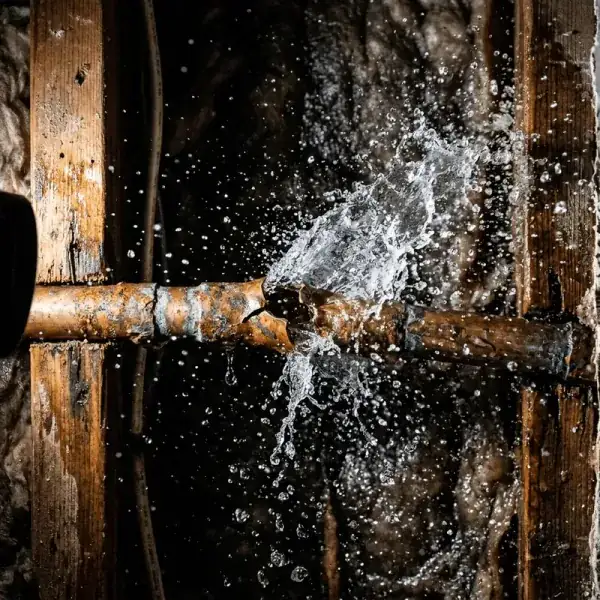
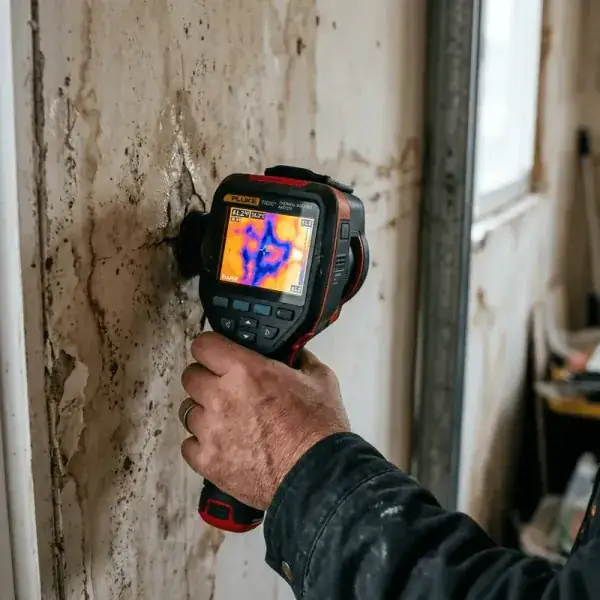
Water dripping from a ceiling often originates far from the visible leak spot, traveling along joists, subfloors, and pipe tracks. Our technicians use state-of-the-art infrared thermal technology to locate hidden moisture reservoirs before structural rot sets in.
Step 1: FLIR Infrared Thermal Inspection
Non-destructive thermal scanning pinpointing cold moisture plumes locked behind drywall, joists, and plaster.
Step 2: Controlled Containment & Material Removal
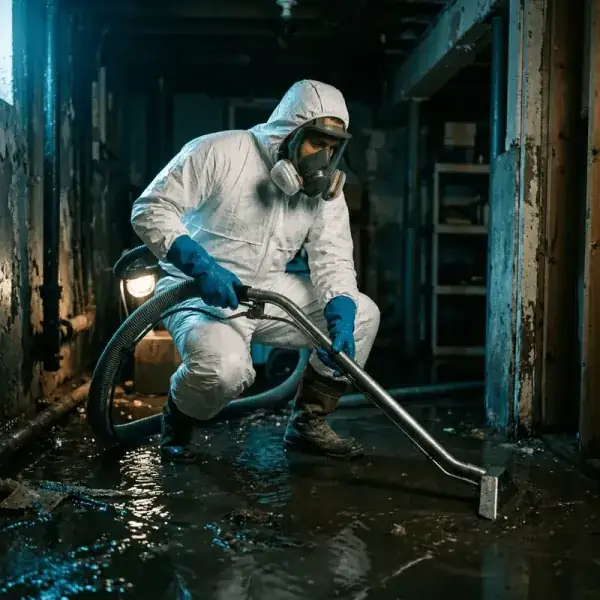
Safely opening compromised drywall sections while protecting furniture and flooring with containment barriers.
Step 3: Directed Joist & Cavity Structural Drying
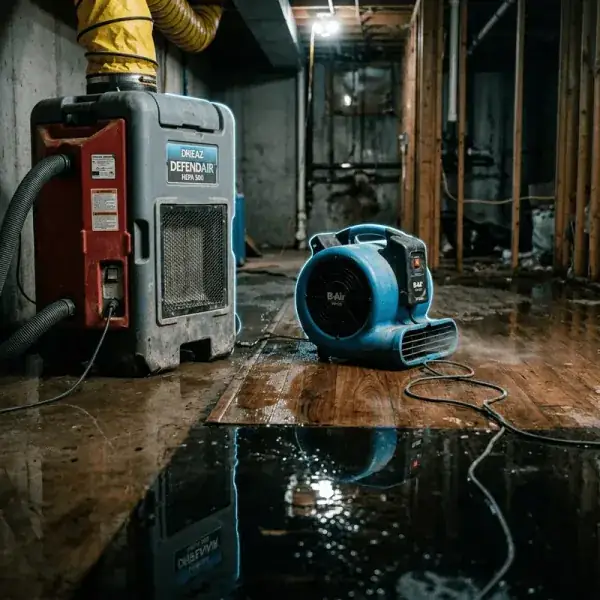
Injecting focused dry air streams into ceiling cavities using specialized injectors and LGR commercial dehumidifiers.
Step 4: Antimicrobial & Mold Barrier Treatment
Spraying EPA-registered botanical antimicrobials on damp framing studs to eliminate hidden toxic black mold spores.
We coordinate directly with property managers, HOA boards, and upstairs neighbors in Chicago 3-flats and high-rises to establish liability proof and expedite insurance approval.
CALL DISPATCH NOW: (844) 213-6249Insurance Documentation & Claims Support
Dealing with water damage can be stressful. Depending on the independent provider you are connected with, insurance-related support may include comprehensive moisture mapping logs, photographic damage records, and itemized scope documentation to help with your claim filing. Insurance coverage, deductibles, and billing arrangements vary by provider and policy terms.
Serving All Chicago Neighborhoods & Suburbs 24/7
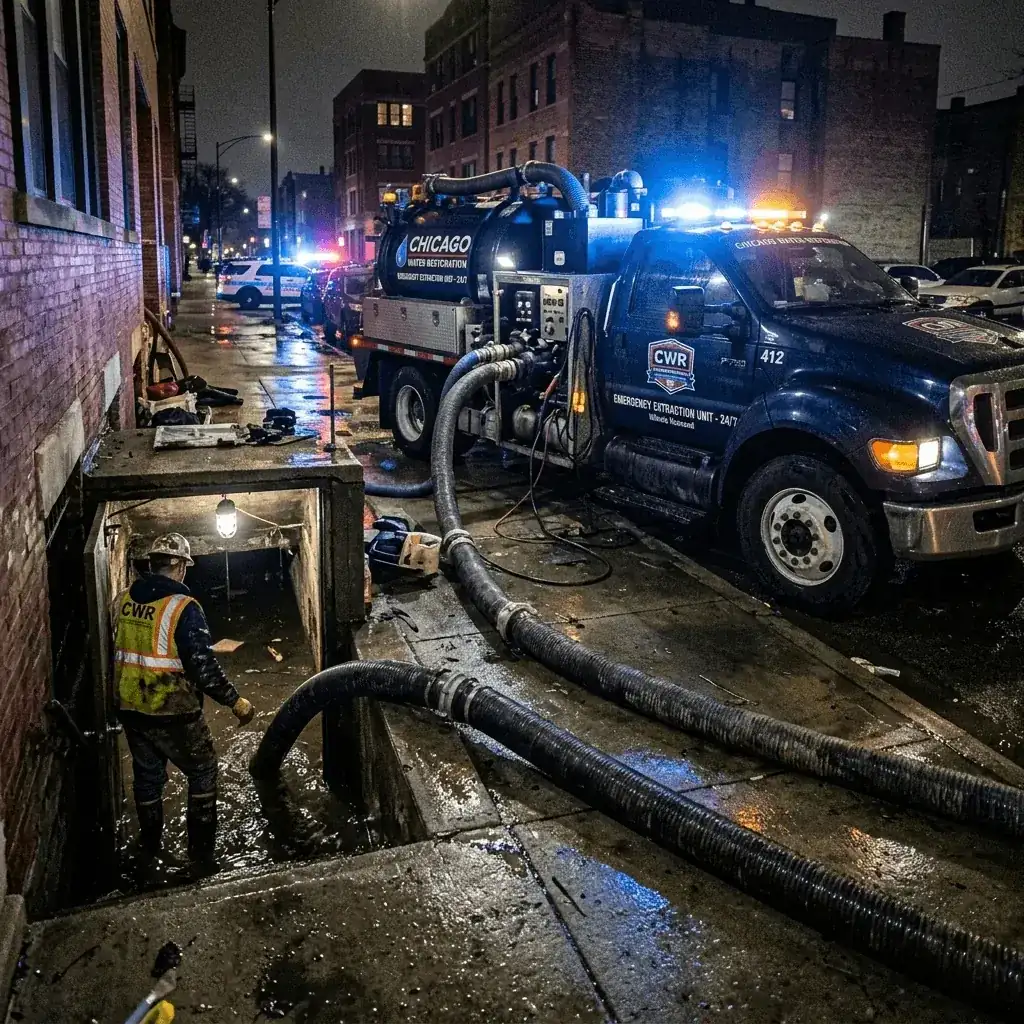
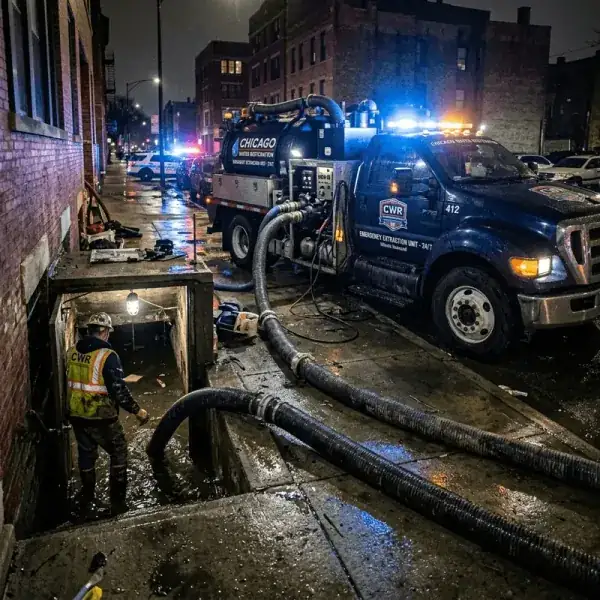
Our rapid response vehicles are strategically staged across Cook County, DuPage County, and Lake County for targeted arrival within 45 to 60 minutes of your call.
Frequently Asked Emergency Questions
What should I do if a pipe bursts in my ceiling or walls?▾
- Turn off your property's main water valve immediately.
- Shut off electricity to affected rooms at the circuit breaker.
- Call our 24/7 dispatch hotline for rapid extraction, containment, and FLIR infrared leak location.
Is a sagging or bubbling ceiling dangerous?▾
Yes, extremely dangerous. Water-saturated drywall quickly loses structural integrity and can collapse under the weight of trapped water and wet insulation, causing injury and severe interior destruction.
Stand clear and carefully puncture a small hole with a screwdriver to relieve water pressure into a bucket if it is bulging.
How do you locate the exact source of a hidden ceiling leak?▾
We deploy FLIR thermal imaging moisture cameras and non-invasive moisture meters to detect temperature differentials behind drywall, pinpointing exact pipe ruptures or subfloor leaks without unnecessary destructive wall demolition.
Can water from a burst pipe get inside walls and ceiling cavities?▾
Yes. Water flows along joists, wall studs, electrical conduits, and plumbing chases, quickly saturating drywall, plaster, and fiberglass insulation.
Without specialized cavity injection drying (Injectidry systems), trapped hidden moisture triggers microbial mold growth within 24 to 48 hours.
Our Other Services
Chicago's full-spectrum water emergency response — drag or swipe to explore every service we dispatch.