Sewage Backup Cleanup in Chicago, IL
Get professional sewage backup cleanup in Chicago, IL when sewer backups, raw sewage, or contaminated water affect your home or property. Our sewage cleanup services include sewage extraction, contaminated material removal, disinfection, odor control, and structural drying.
Common Sewage Backup Problems
We Clean Up in Chicago
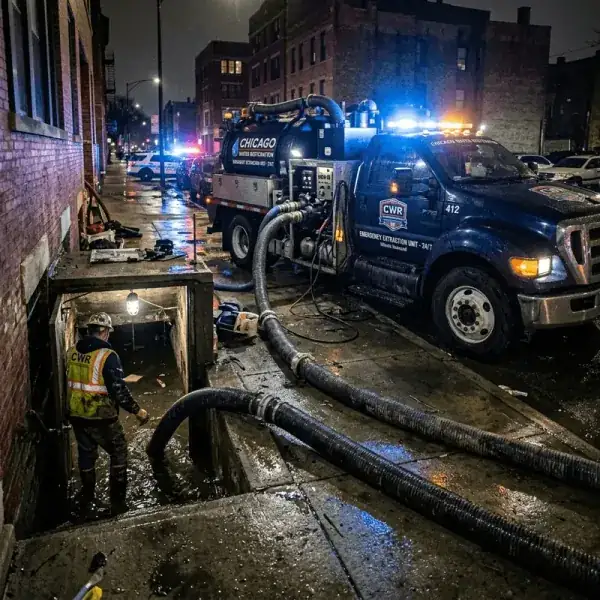
Emergency response teams are equipped with heavy extraction trucks, hospital-grade disinfectants, and structural drying equipment for all residential and commercial sewage emergencies:
Basement Floor Drain Backups
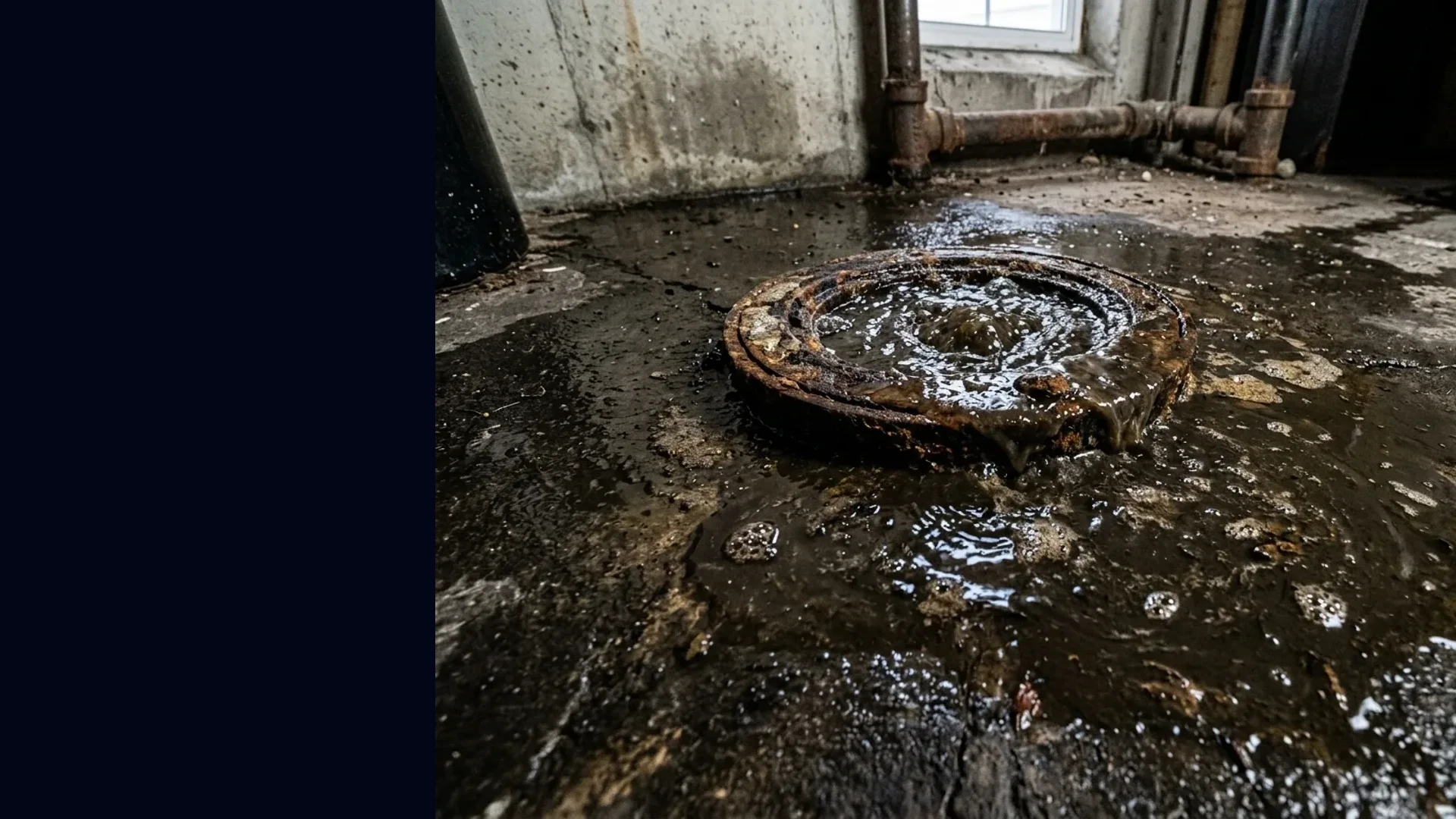
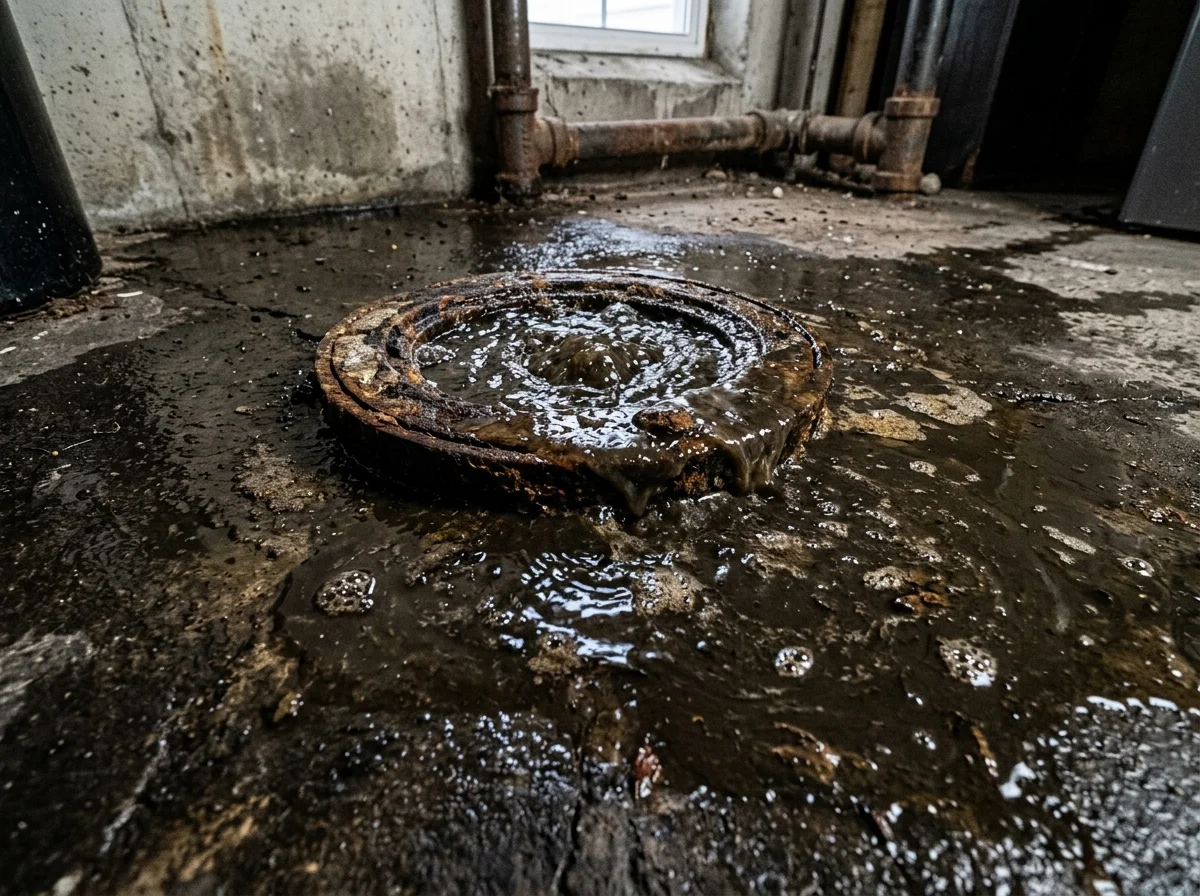
Heavy rainstorms overwhelm municipal combined sewer mains, forcing pressurized wastewater backward through basement gravity floor drains.
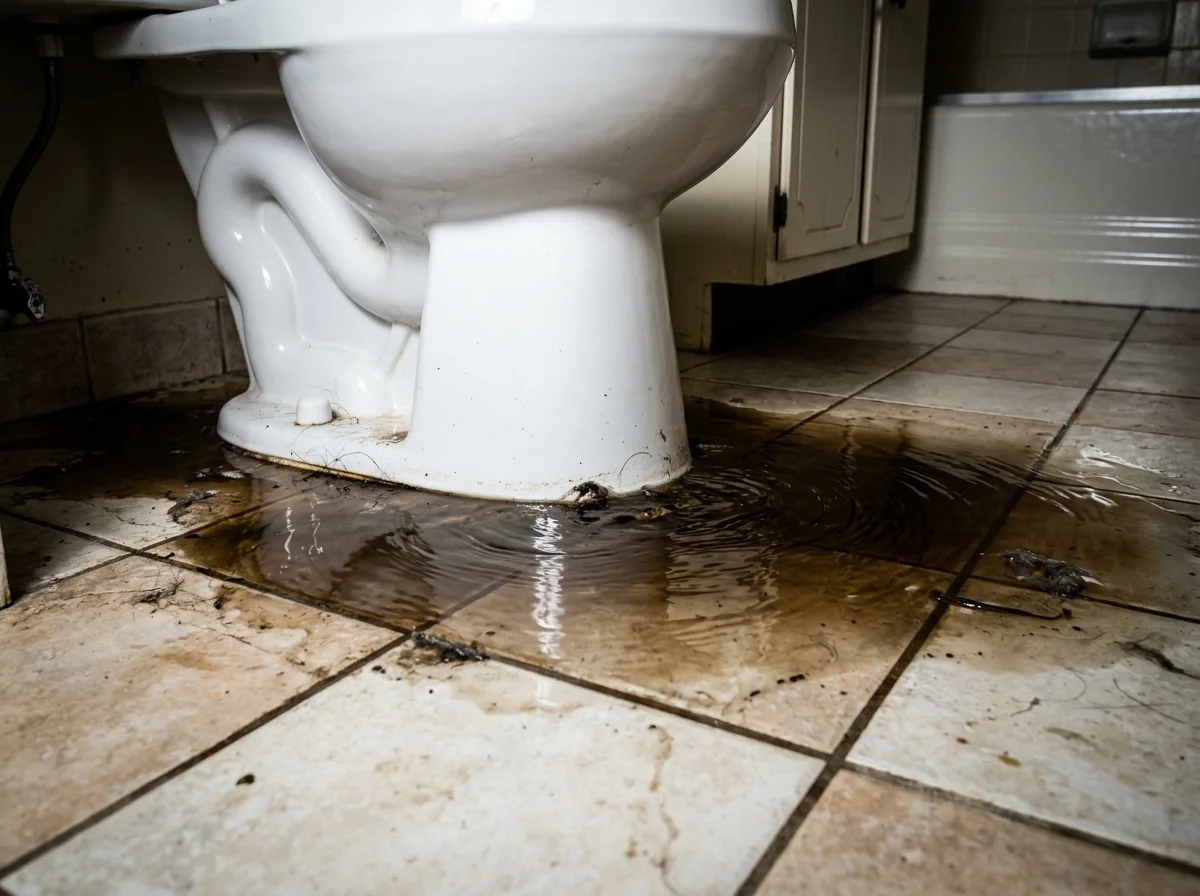
Toilet & Main Sewer Overflows
Main lateral line obstructions and tree root blockages cause toilets to bubble, overflow, and flood surrounding bathrooms with raw waste.
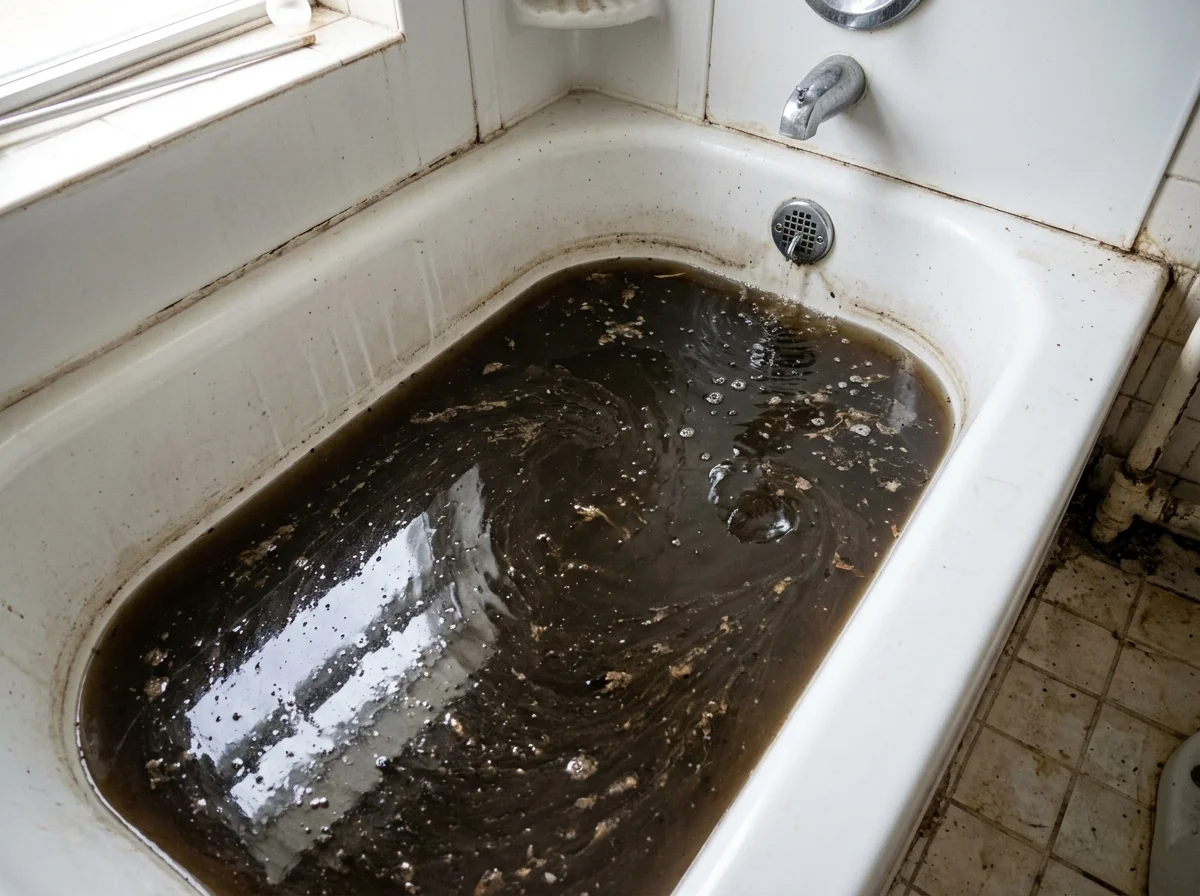
Bathtub & Shower Backups
Contaminated blackwater rising in basement showers and bathtubs indicates a full main line blockage requiring rapid snaking and sanitization.
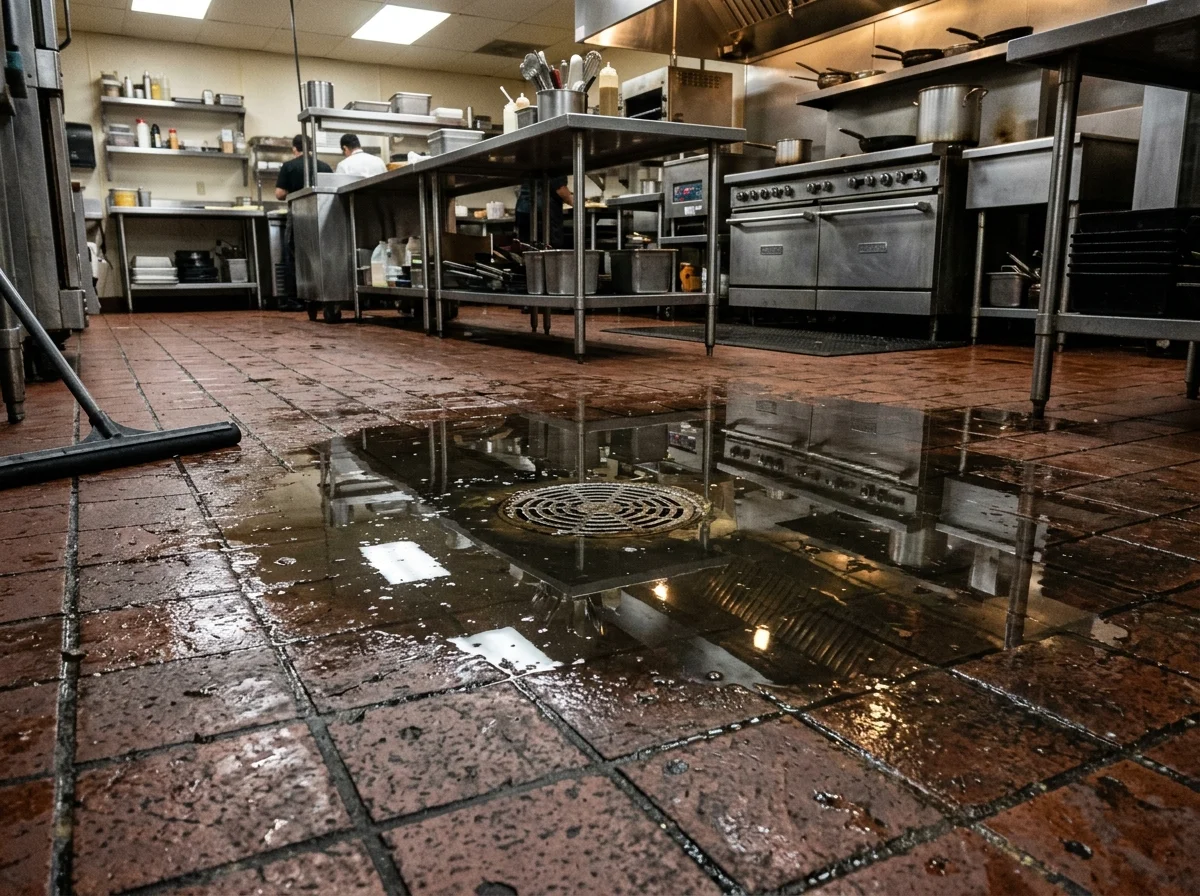
Kitchen Sink & Grease Clogs
Solidified fats, oils, and commercial grease build-up causing foul organic backups across kitchen floors and restaurant prep areas.
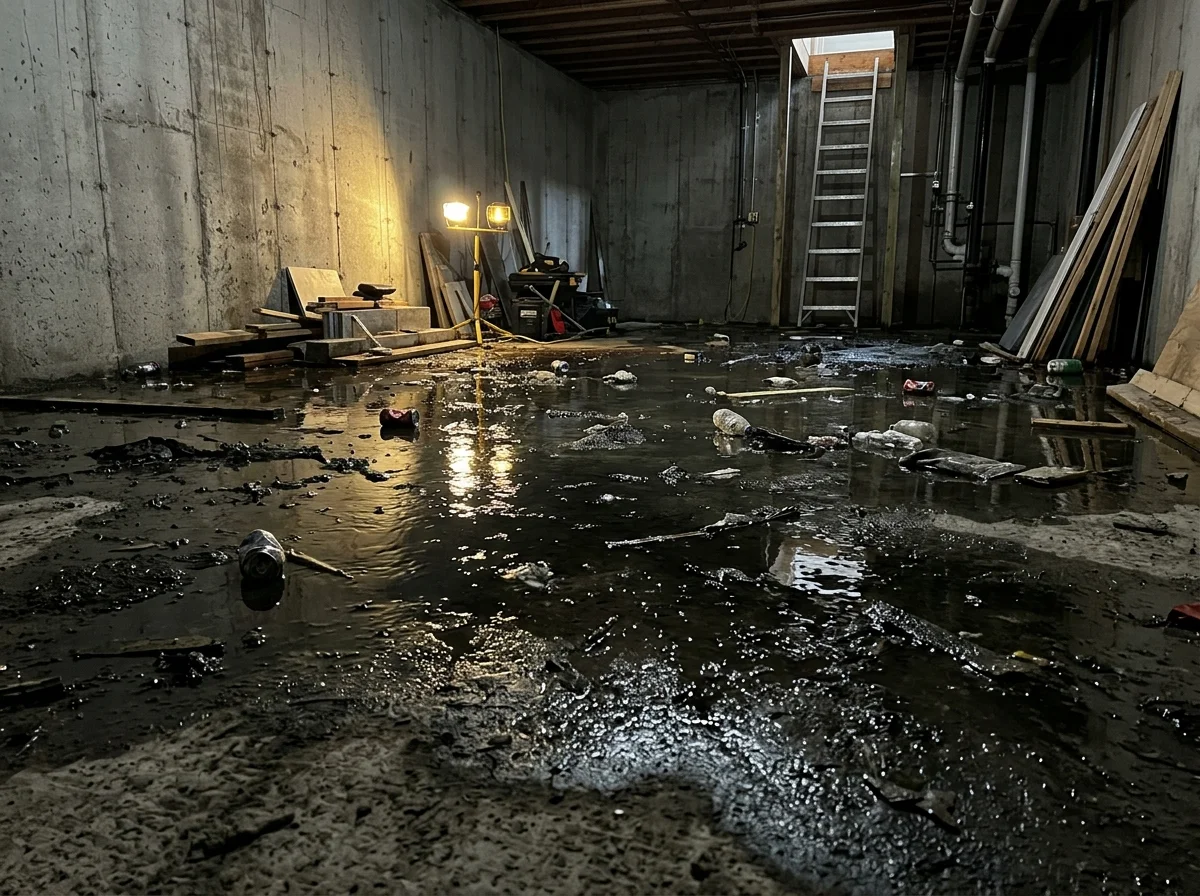
Raw Sewage Pooling on Slabs
Large-volume blackwater saturation across concrete slabs, foundation walls, and finished carpeting requiring high-cfm truck pumping.
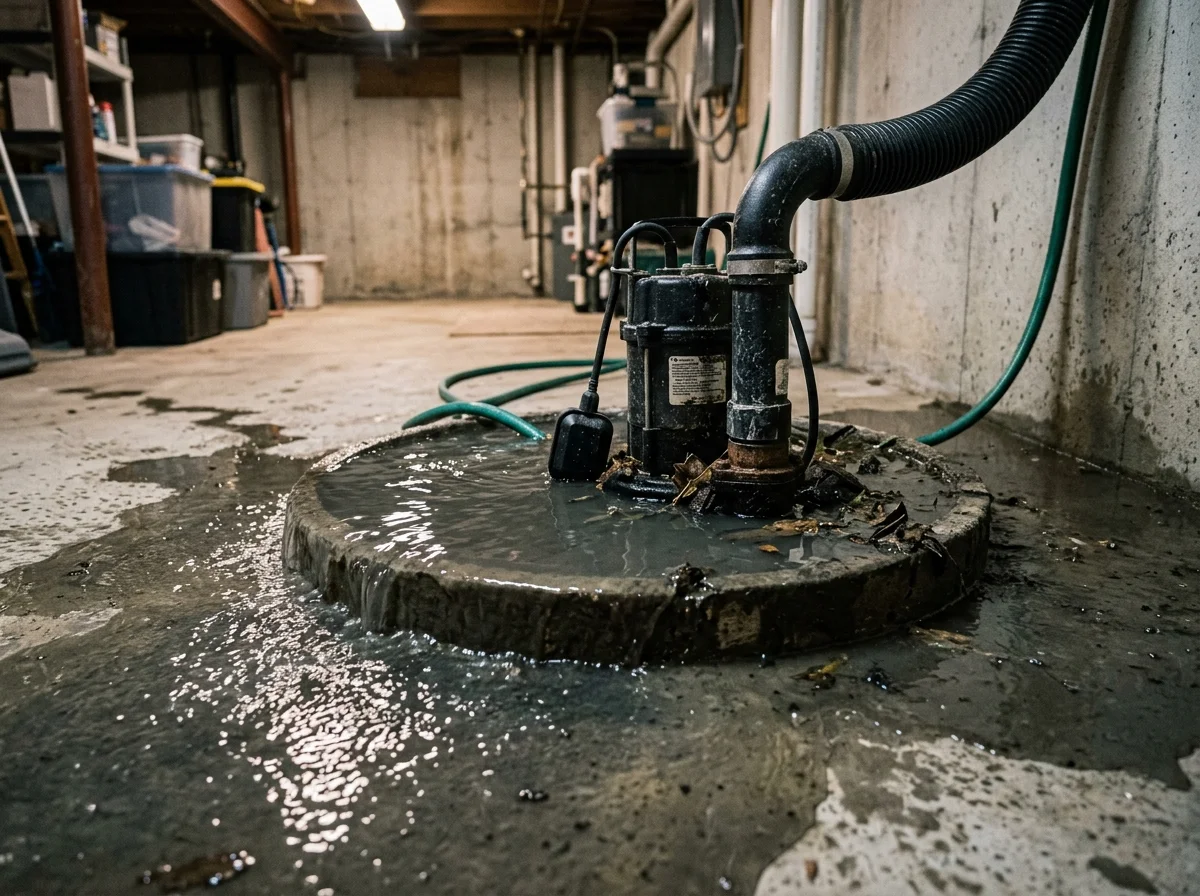
Sump Pit Sewage Overflows
Mechanical pump failure or power loss during storms leading to contaminated storm/sewer mixture overflowing throughout basements.
Commercial Property & Drains
Urgent health-code cleanup for restaurants, retail storefronts, and office buildings requiring rapid clearance for safe reopening.
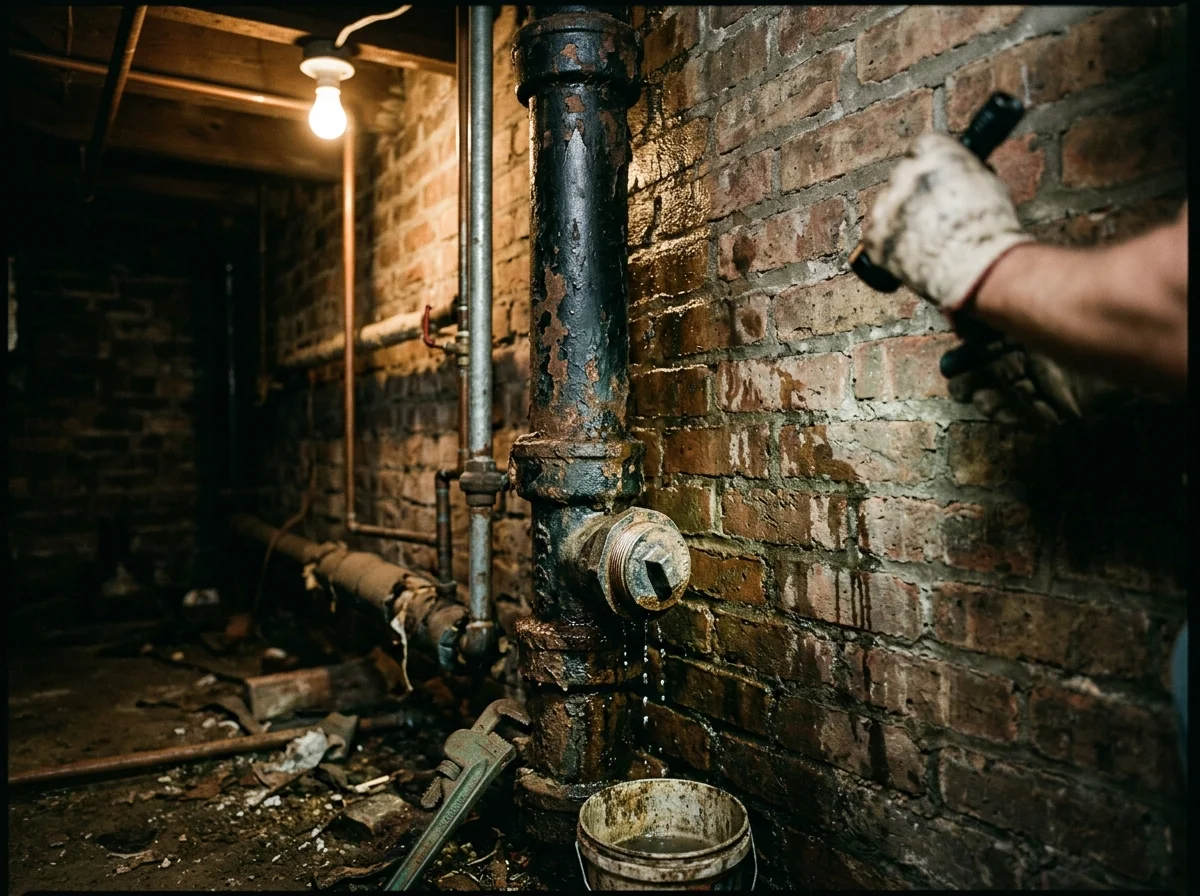
Apartment & 2-Flat Stacks
Vertical soil stack clogs in multi-story Chicago 2-flats and 3-flats causing sewage to spill across multiple unit levels simultaneously.
Experiencing Any of These Sewage Emergencies?
Our certified response units dispatch within 30–60 minutes across all Chicago neighborhoods.
What to Do If Sewage Is Backing Up Right Now
Raw sewage is classified as Category 3 Blackwater containing dangerous bacteria, viruses, and airborne bio-aerosols. Take these critical steps while emergency dispatch crews are in transit:
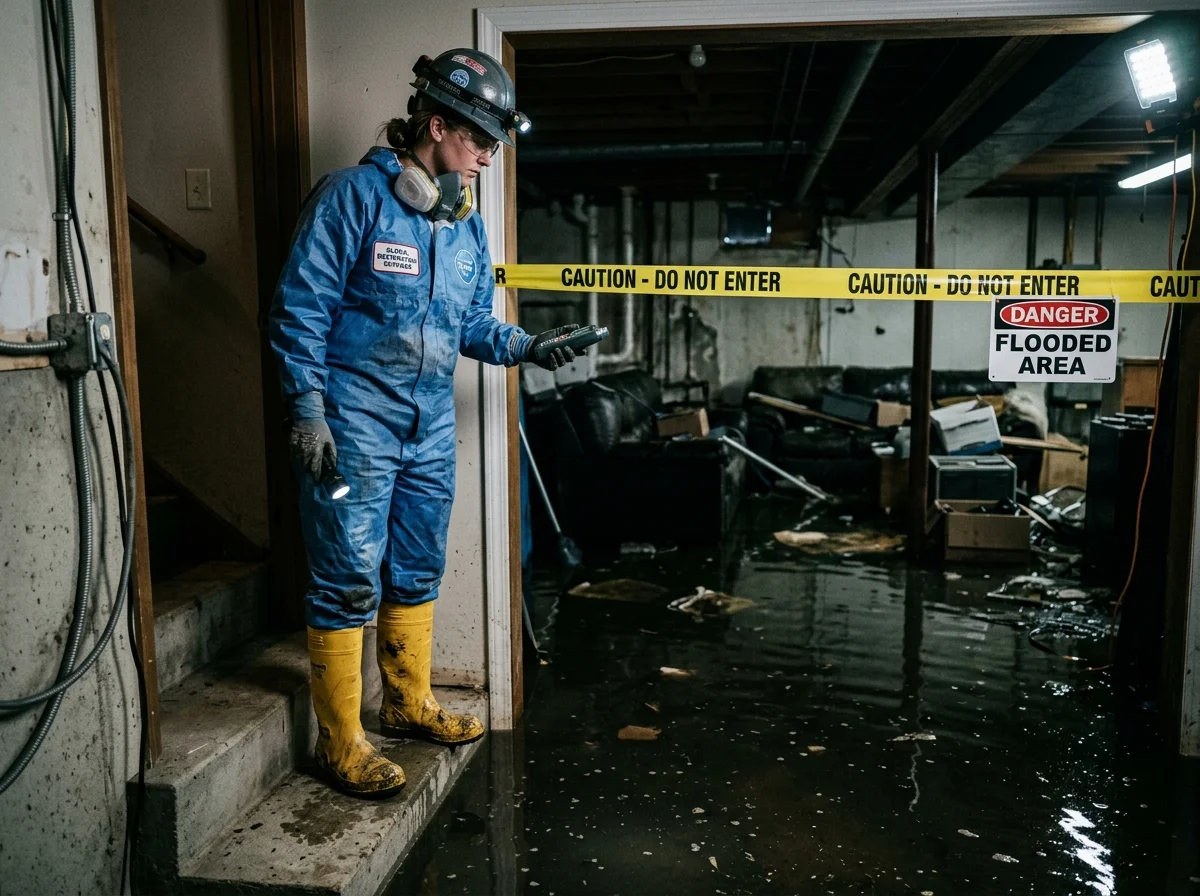
Evacuate & Isolate the Contaminated Zone
Keep children, pets, and family members completely out of the flooded area. Never step into standing blackwater without heavy rubber boots, protective gloves, and eye protection.
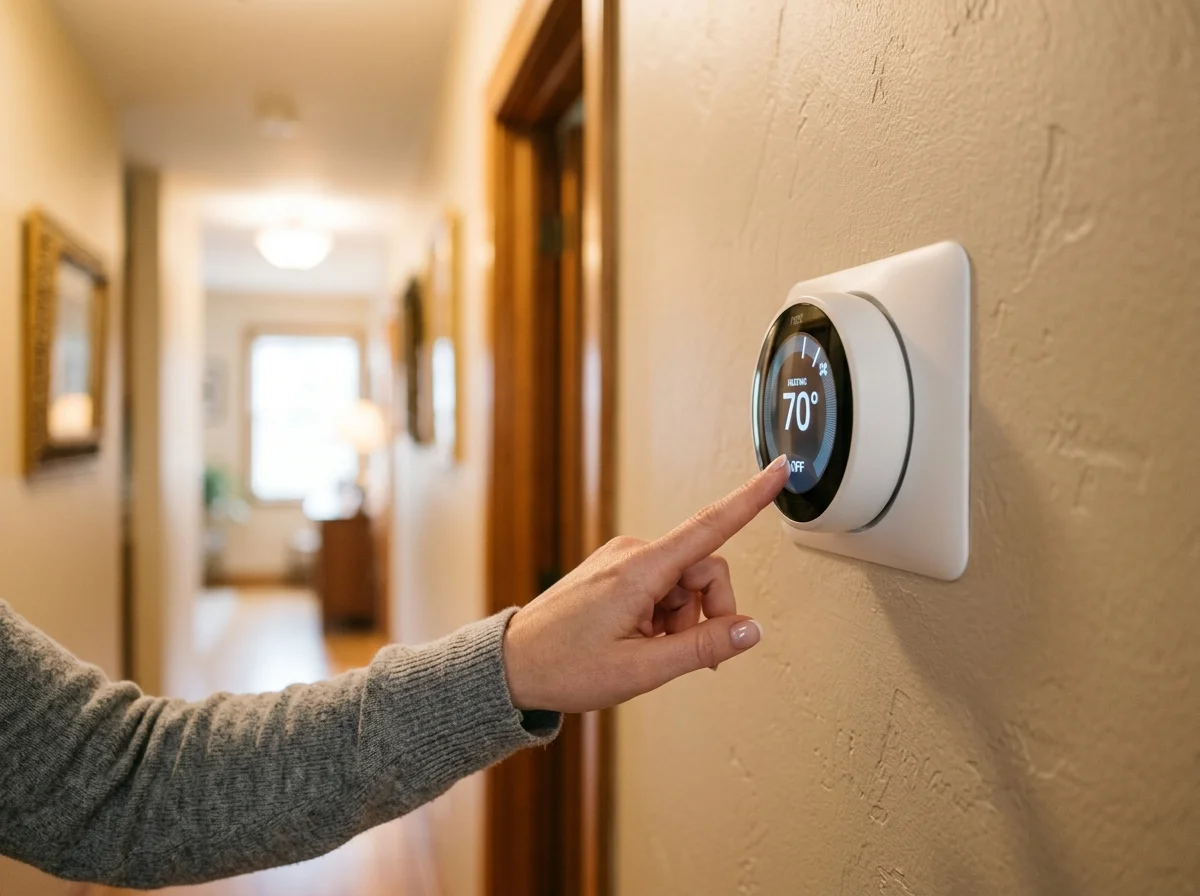
Turn Off Central Air & Furnaces
Shut down central HVAC units immediately at the thermostat or breaker. Forced-air blowers circulate harmful airborne bacteria, mold spores, and toxic sewer gas throughout living spaces.
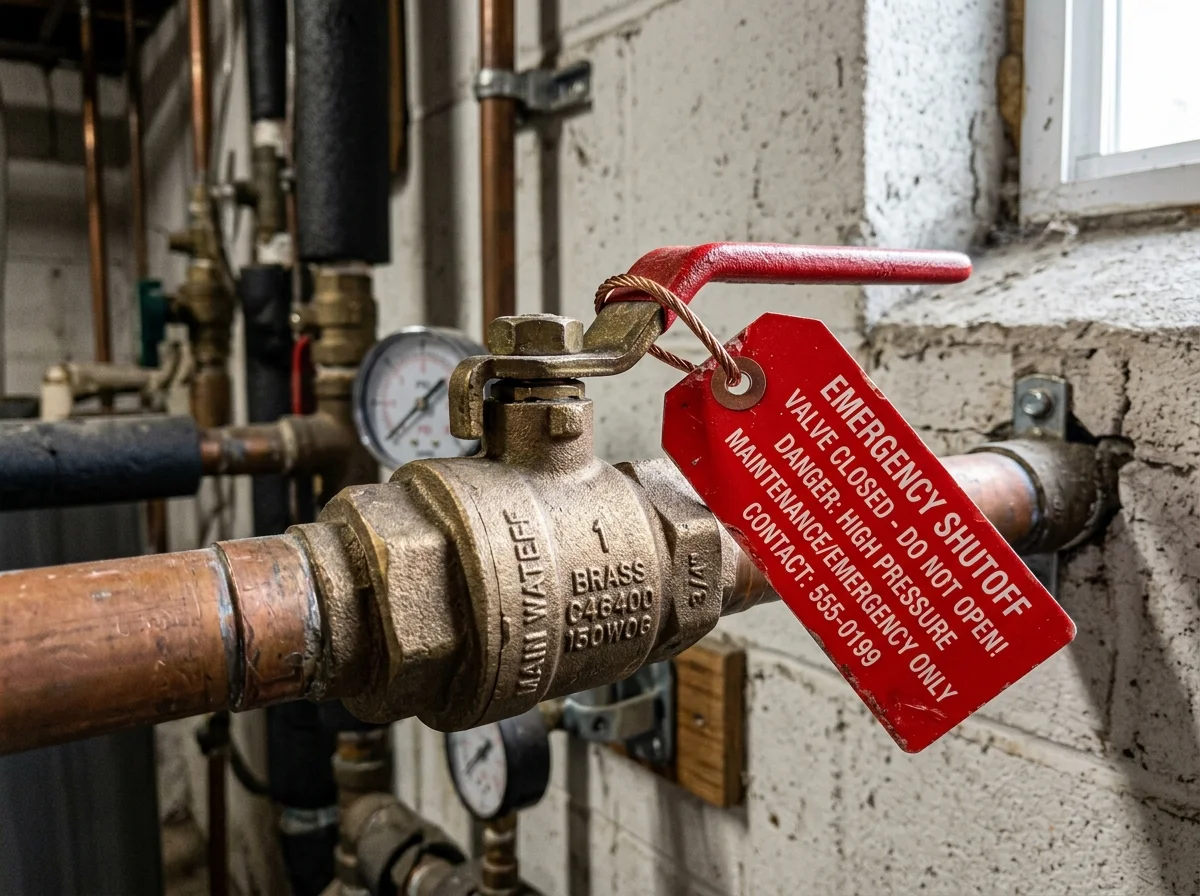
Stop All Water & Plumbing Use
Do not flush toilets, run sinks, showers, washing machines, or dishwashers. Any water introduced into home drain lines cannot escape a blocked or surcharged sewer and will back up further into lowest fixtures.
Raw Sewage Is An Active Biohazard Emergency
Do not attempt to clean blackwater yourself with bleach. Dispatch certified technicians immediately.
Our Sewage Backup Cleanup
Process in Chicago
Because raw sewage backup is classified as Category 3 contaminated water, professional remediation requires containment, bulk extraction, porous material removal, EPA hospital-grade disinfection, and documented structural drying.
Stage 01: 24/7 Rapid Emergency Dispatch
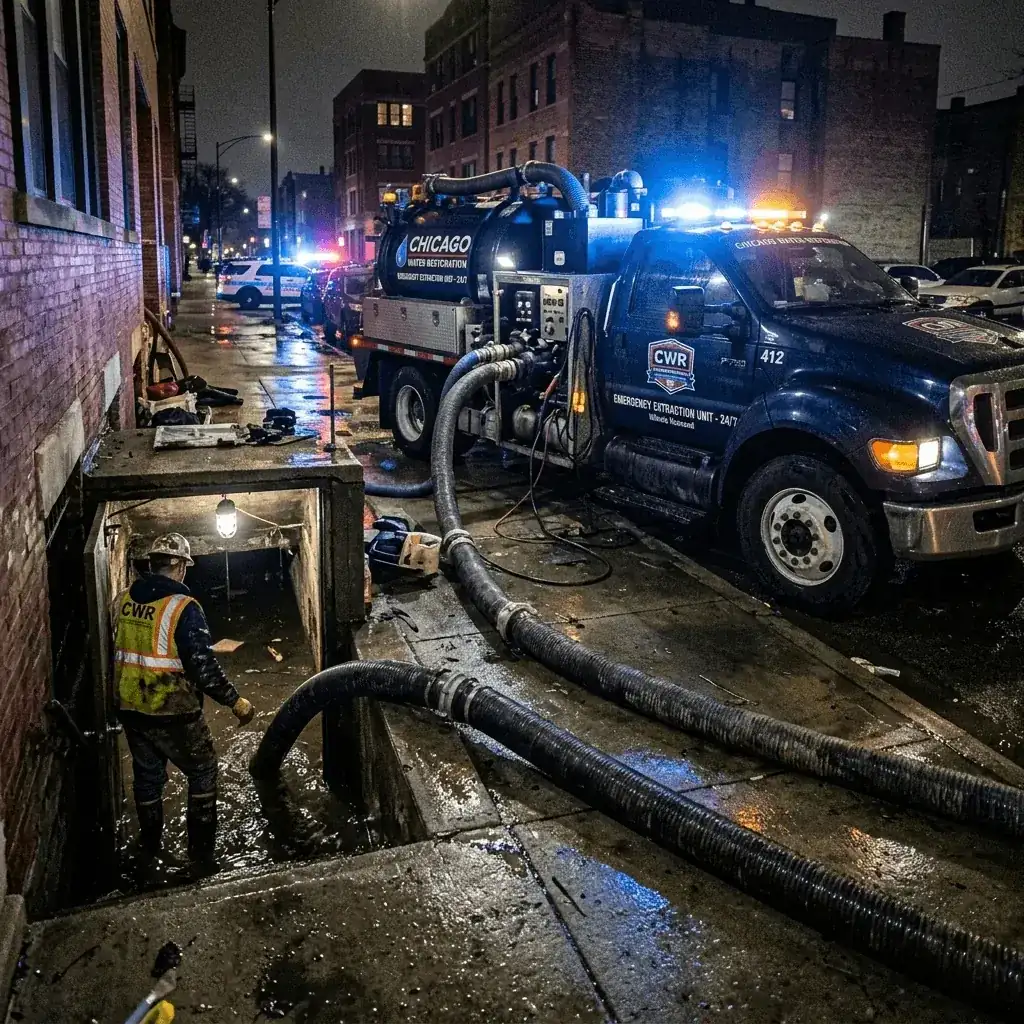
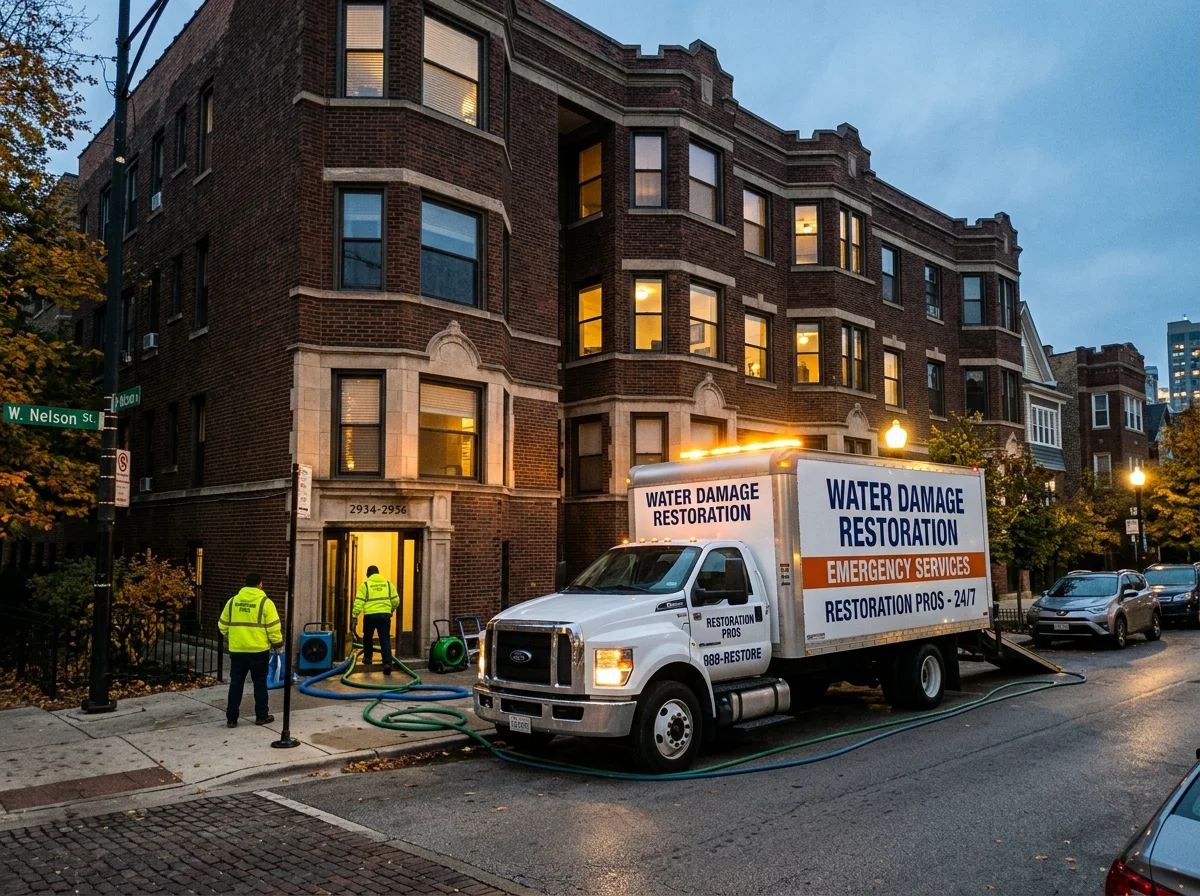
Available 24 hours a day, 365 days a year. Our local dispatch coordinators route fully equipped restoration rigs with industrial extraction units directly to your Chicago location.
Stage 02: Biohazard Containment & Air Isolation
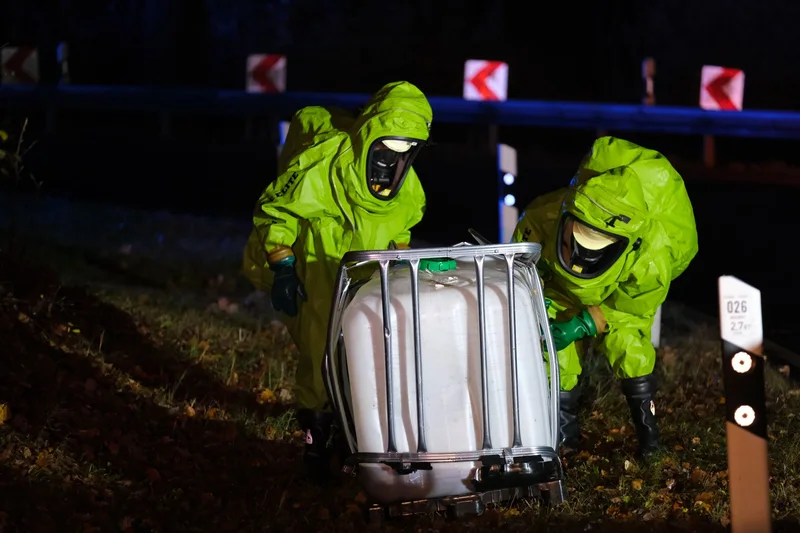
Technicians install heavy plastic zip-wall containment barriers and establish negative air pressure machines to prevent volatile organic compounds (VOCs), sewer gas, and airborne bacteria from migrating into upstairs living areas.
Stage 03: Bulk Sewage Extraction & Contaminated Material Removal
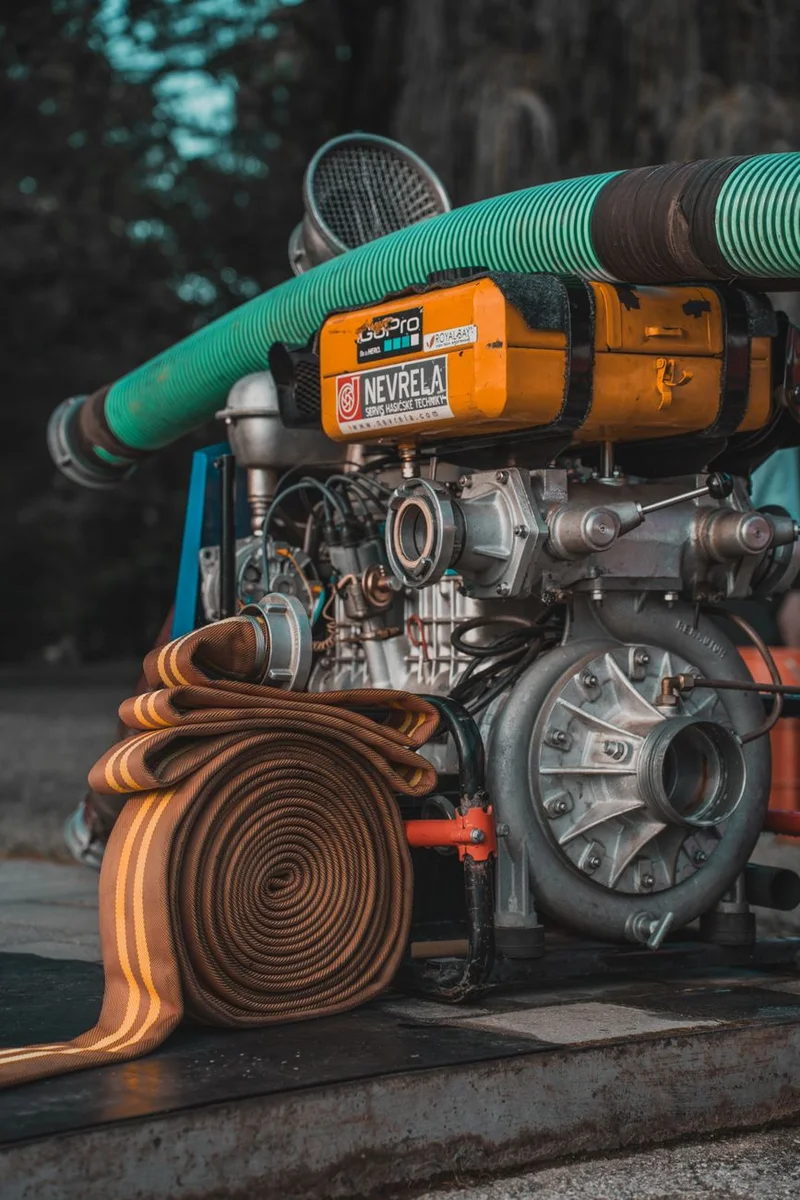
Using truck-mounted vacuum extractors, crews remove standing blackwater and solid waste. Saturated porous materials (carpet padding, affected baseboards, and drywall wick lines) are safely bagged and disposed of in compliance with local waste regulations.
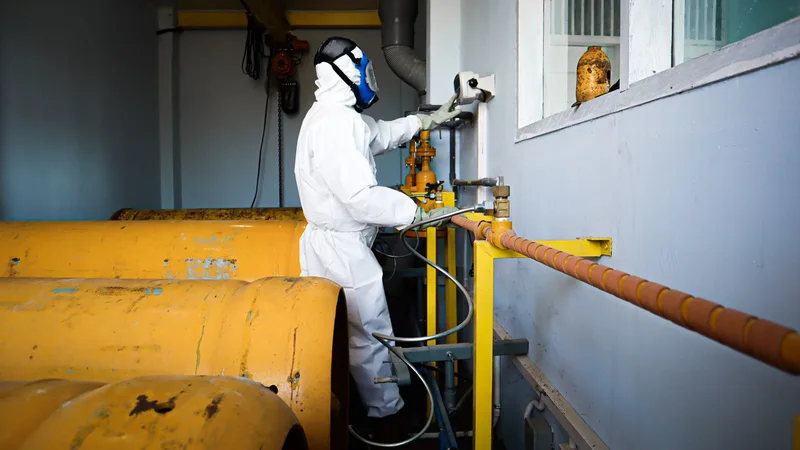
Stage 04: EPA-Registered Antimicrobial Sanitization
Application of broad-spectrum hospital-grade disinfectants, virucides, and enzymatic treatments across concrete slabs, foundation framing, and structural studs to destroy E. coli, Salmonella, hepatitis pathogens, and eliminate organic sewer odors.
Stage 05: HEPA Air Scrubbing & Structural Moisture Verification
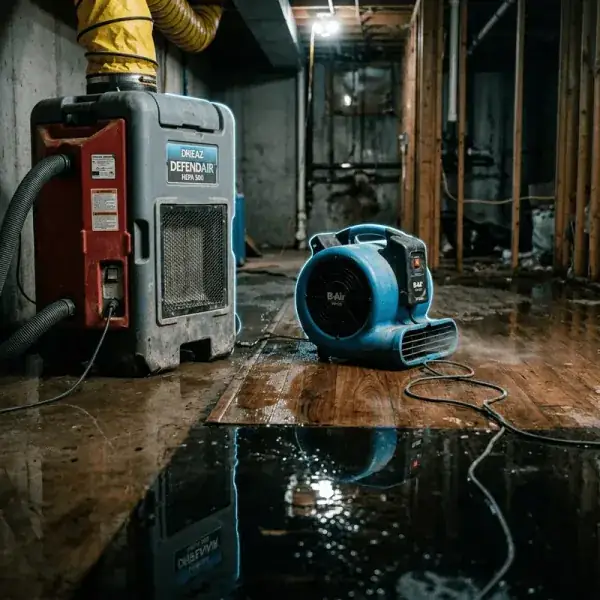
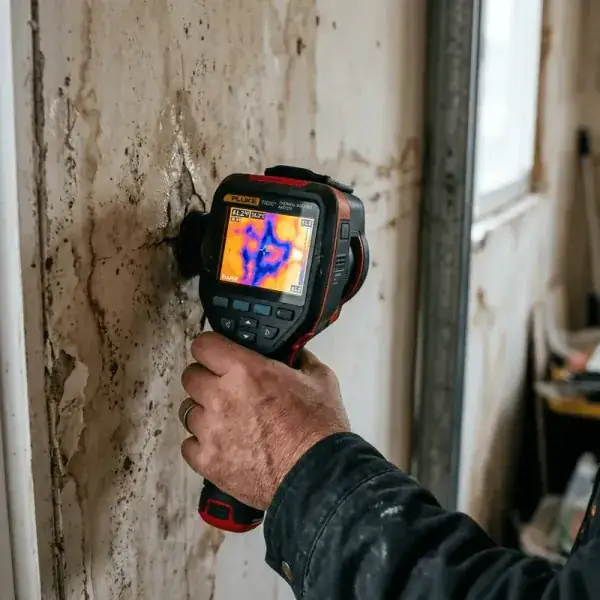
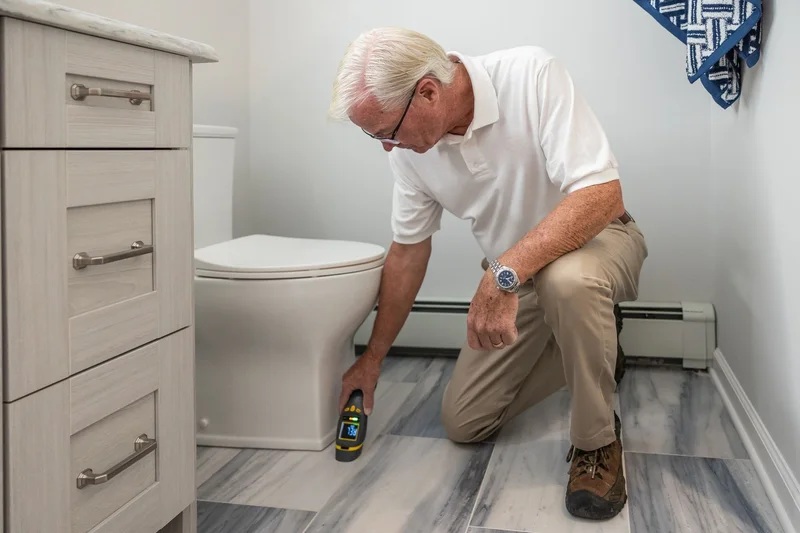
Industrial HEPA 500 air scrubbers continuously purify indoor air while commercial LGR dehumidifiers extract bound moisture from framing. Technicians conduct psychrometric monitoring to provide documented drying and moisture verification for insurance clearance.
24/7 Rapid Emergency Dispatch
Available 24/7. Speak directly with a local dispatcher for rapid crew routing to your location.
Biohazard Containment & Air Isolation
Plastic barriers and negative-air pressure stop cross-contamination into upper living spaces.
Bulk Extraction & Contaminated Disposal
High-power vacuum pumping of blackwater and safe removal of ruined porous drywall and carpeting.
EPA Hospital-Grade Sanitization
Application of broad-spectrum antimicrobials to kill E. coli and eliminate foul organic sewer odors.
HEPA Air Scrubbing & Moisture Logs
Industrial air purification and dehumidification with documented drying verification for insurance.
Why Professional Sewage Cleanup Is Necessary
Household bleach and basic mops address less than 20% of the contamination. Blackwater penetrates deep into porous building assemblies through capillary action:
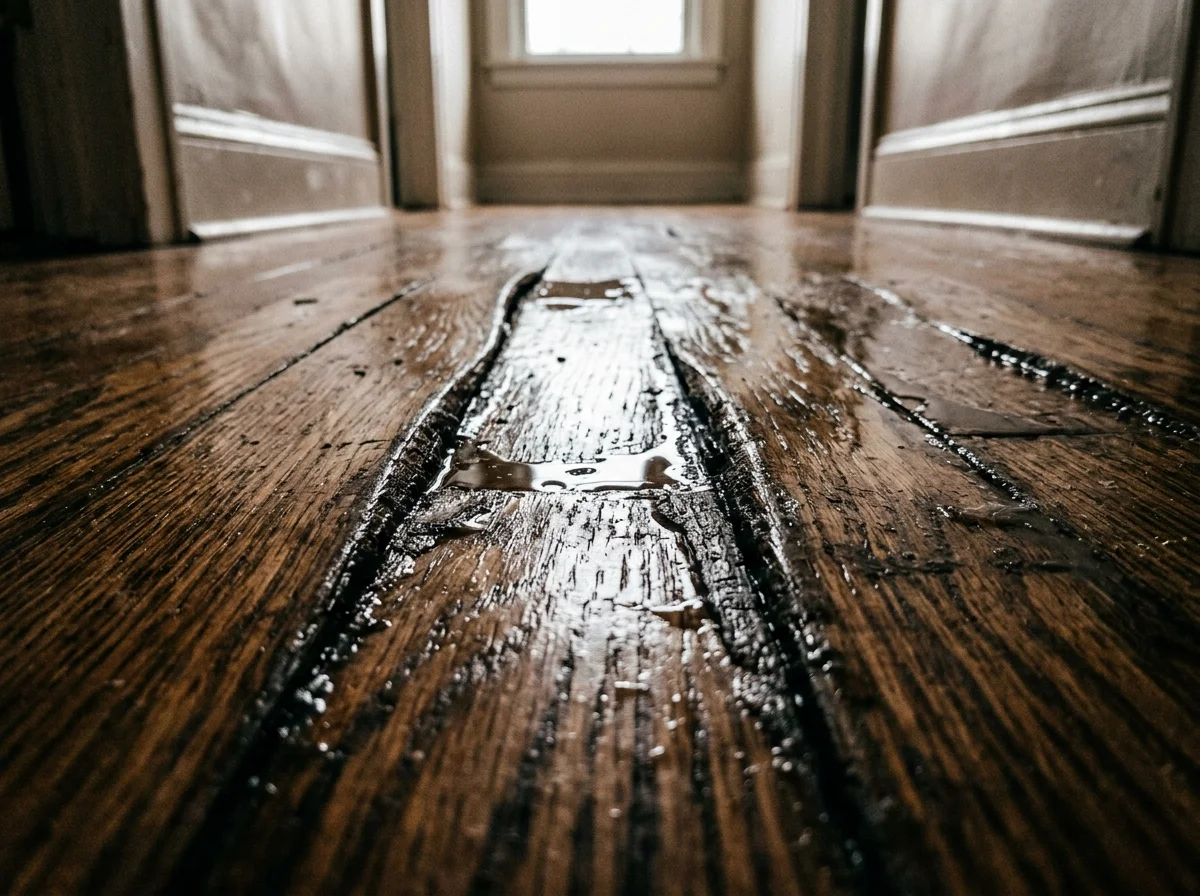
Porous Concrete Subfloor Absorption
Concrete acts like a hard sponge. Its microscopic capillary network draws liquid blackwater inches below the surface, trapping active bacteria colonies that release foul odors if not deeply extracted and sanitized.
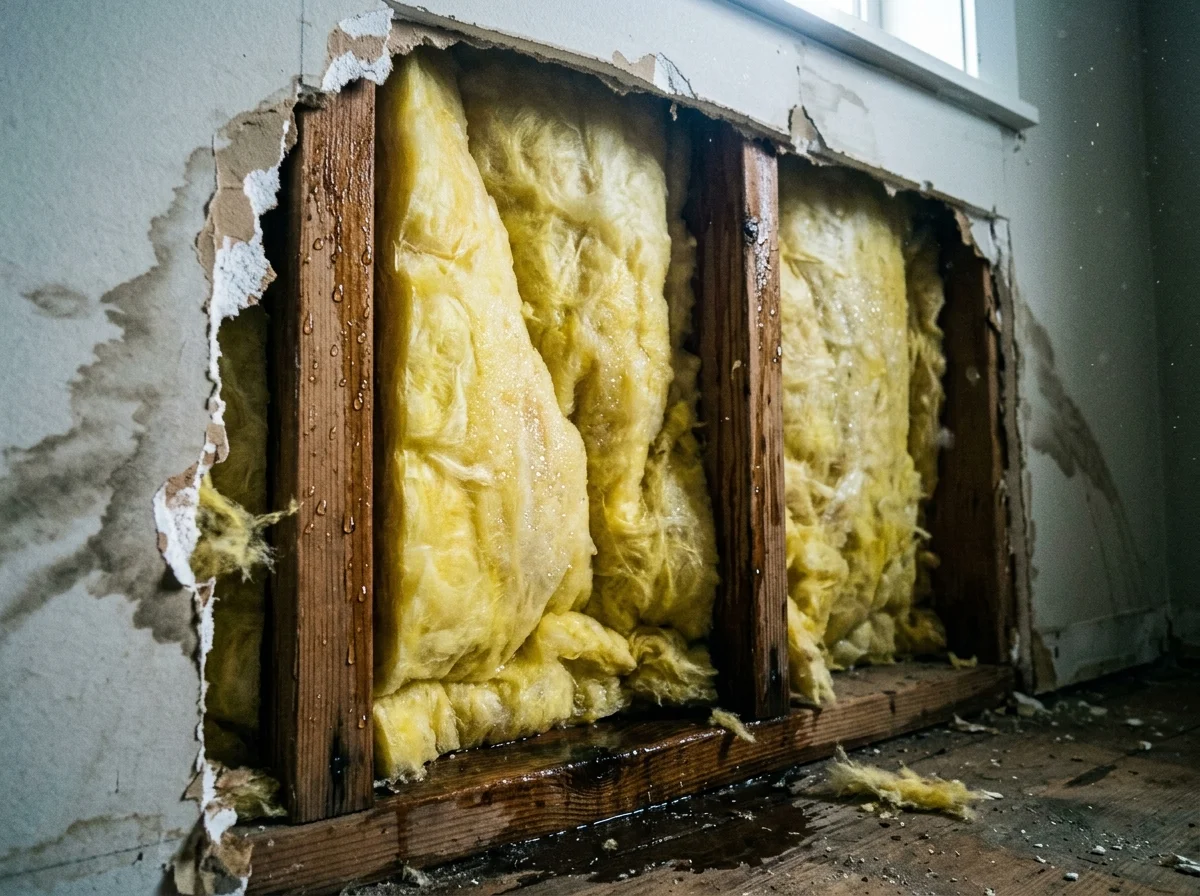
Drywall Wicking & Baseboard Cavities
Gypsum drywall wicks sewage water upward at a rate of several inches per hour. Contaminated fiberglass insulation inside stud bays becomes an active biohazard reservoir requiring precise flood cuts.
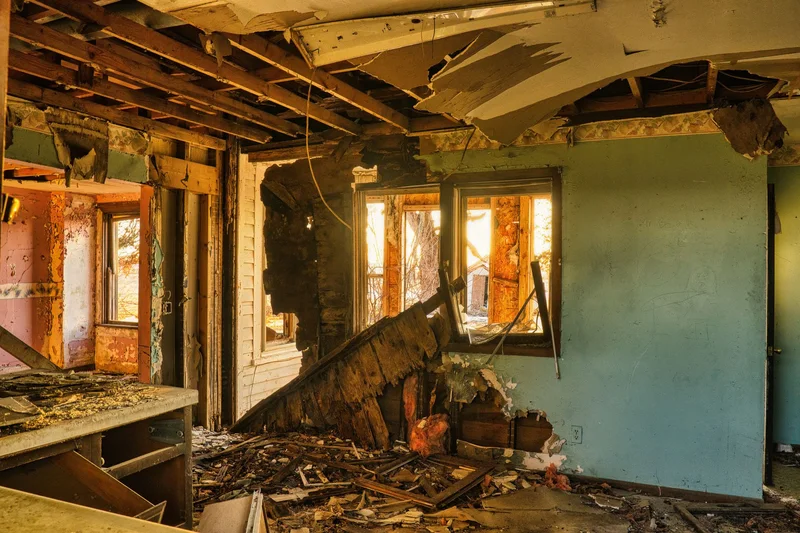
Carpet & Underlayment Biohazard
Under IICRC S500 standards, carpet padding, tack strips, and porous underlayments saturated with Category 3 blackwater are non-salvageable and must be removed in sealed biohazard bags.
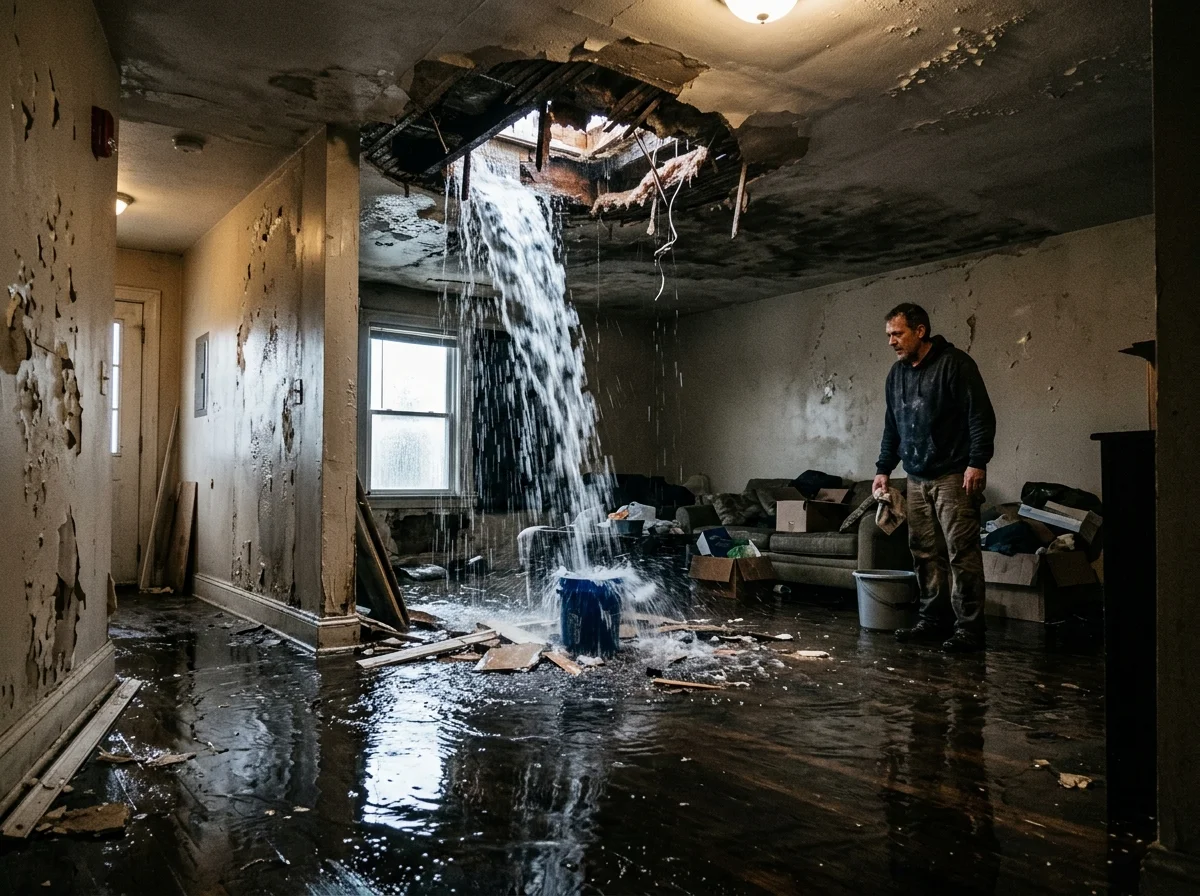
Airborne Bio-Aerosols & Pathogens
Sewage water releases microscopic aerosolized droplets carrying coliform bacteria and fungal spores into the breathing zone, requiring negative-air HEPA filtration to safeguard respiratory health.
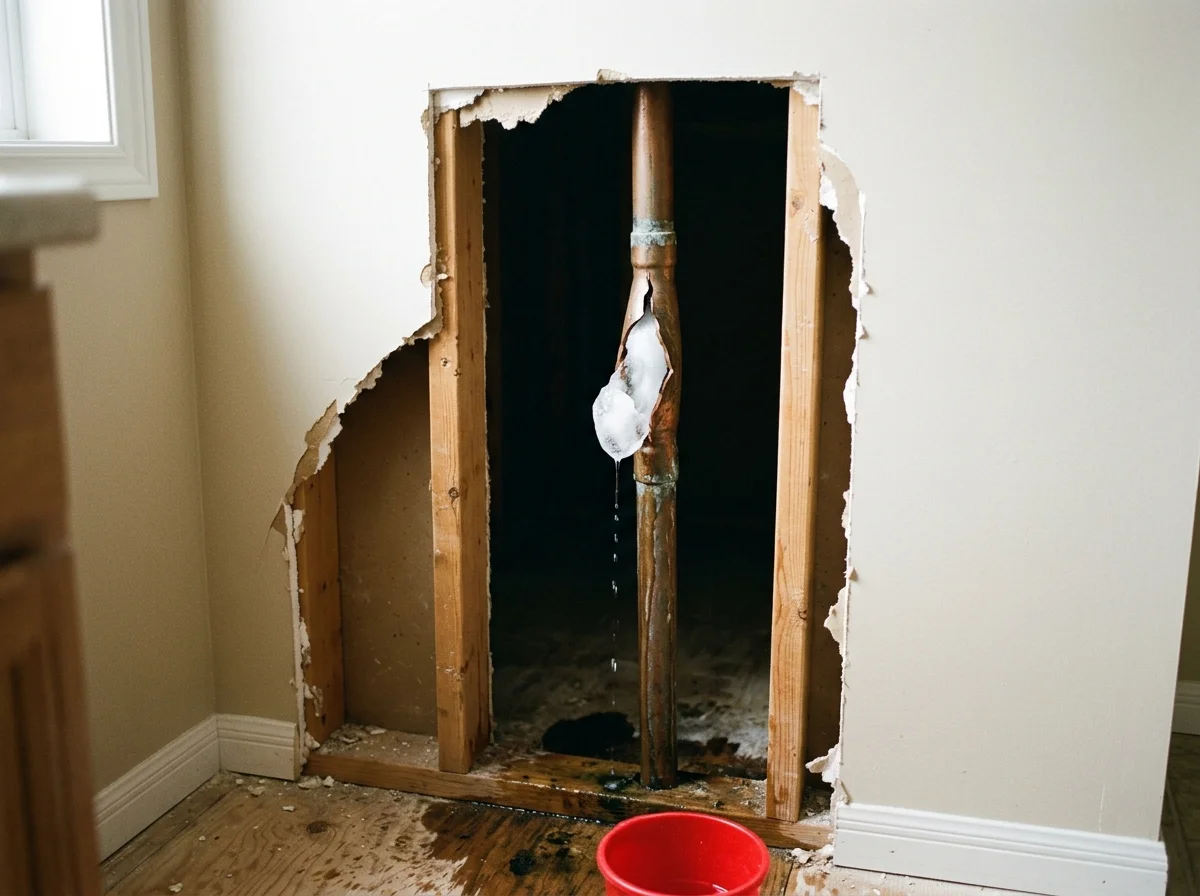
Structural Wood Framing Saturation
Bottom sill plates and wood studs absorb contaminated water quickly. Saturated wood provides organic nutrients that accelerate wood rot and severe microbial colonization within 24 to 48 hours.
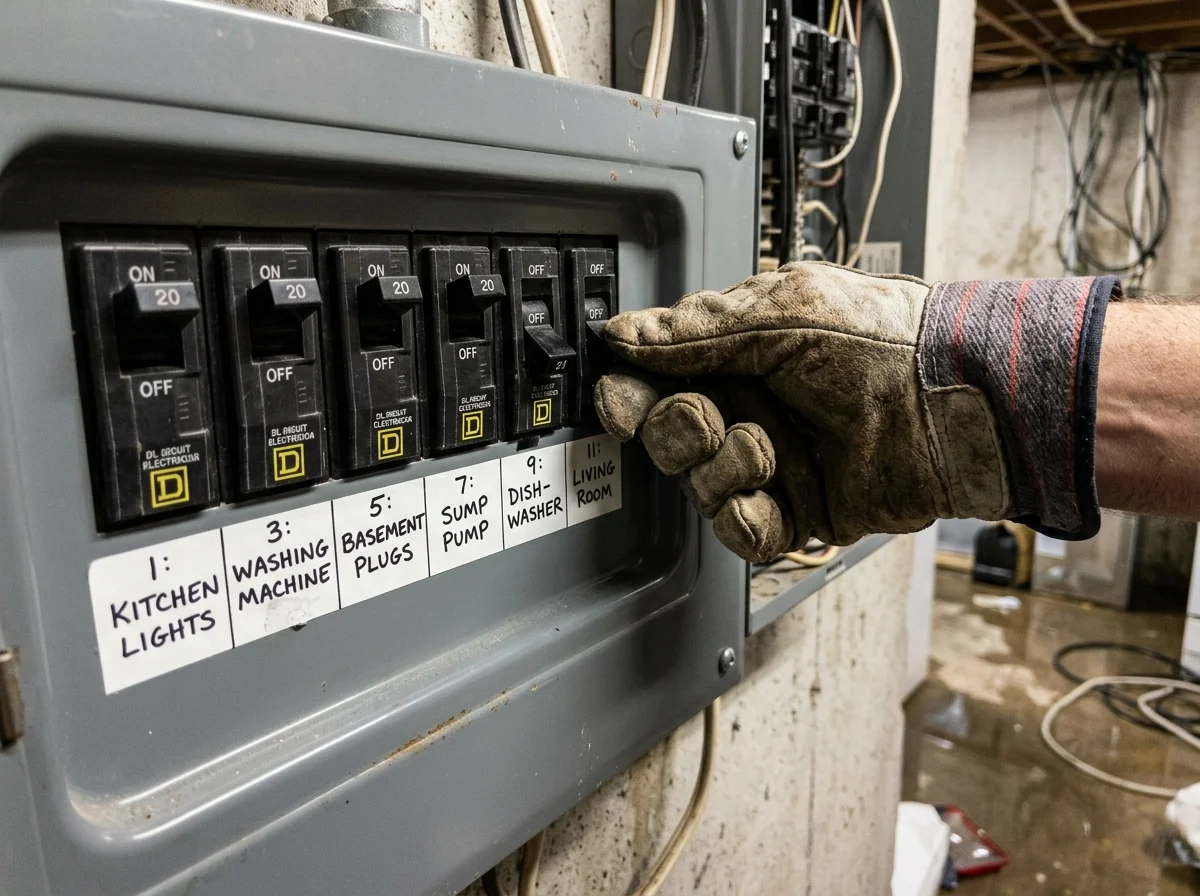
Electrical & Conduit Corrosion
Wastewater contains corrosive salts and minerals. When blackwater reaches basement junction boxes or baseboard outlets, it corrodes copper wiring and creates dangerous short-circuit fire hazards.
Available 24 Hours • 30–60 Min Rapid Arrival Across Chicago
Why Chicago Properties Are Vulnerable to Sewage Backups
Much of Chicago relies on an aging combined municipal sewer network where street storm runoff and residential sanitary waste flow through the exact same pipe infrastructure.
Preventing Future Chicago Basement Backups
- Overhead Sewer Conversion: Elevates basement drainage above the city sewer main line level so storm surcharges cannot physically backflow into your home.
- Backwater Check Valves: Installs a mechanical flapper valve that automatically seals shut when city mains experience backpressure.
- Dual Sump Pump & Battery Backup: Protects against mechanical failure and power outages during severe storms.
Sewage Backup Cleanup & Insurance Coverage
Navigating insurance coverage for a sewage emergency requires specialized documentation. Here is how policy coverage works:
Water Backup Endorsement
Standard homeowners policies often exclude off-premises sewer backups unless you have added the "Water Backup & Sump Overflow" rider. This endorsement typically provides $5,000 to $25,000+ in dedicated mitigation coverage.
Itemized Xactimate Scope
Restoration crews compile complete photographic damage inventories, moisture mapping records, and line-item billing formatted in Xactimate — the standard pricing software used by all major insurance adjusters.
Direct Carrier Coordination
Emergency providers work directly with your insurance adjuster from day one, submitting daily psychrometric logs and moisture readings to support claim approval and minimize out-of-pocket friction.
Need Direct Insurance Billing & Claims Help?
We work directly with State Farm, Allstate, Travelers, Liberty Mutual, and all major Illinois carriers.
Sewage Backup Cleanup Throughout Chicago
We provide 24/7 emergency sewage removal and decontamination across all 77 Chicago community areas, Cook County, and adjacent suburbs. Strategic response vehicles ensure fast 30–60 minute arrival.
North & Northwest Chicago
West Chicago & Near West
South Side & Downtown Loop
Frequently Asked Emergency Questions
Why is sewage backup considered a Category 3 Biohazard emergency?▾
Sewage water is a Category 3 Biohazard (Black Water) containing dangerous pathogenic micro-organisms: E. coli, Salmonella, hepatitis viruses, parasites, and toxic airborne gases.
Contact or inhalation can cause severe illness. Standard household cleaning is insufficient—EPA-registered antimicrobial decontamination is mandatory.
What causes sewage backups in Chicago basements?▾
Chicago relies on aging combined municipal sewer systems where rainwater runoff and sanitary waste share the same main lines. Heavy rainstorms, tree root intrusion into sewer laterals, and sub-zero freeze blockages push raw sewage back through basement floor drains.
Why is professional sewage cleanup mandatory instead of DIY cleaning?▾
Raw sewage saturates porous concrete subfloors, wood framing, and drywall cavities. Standard household bleach cannot penetrate porous substrates to eradicate deep-seated pathogens.
Our technicians use EPA-registered industrial antimicrobials and high-capacity thermal drying equipment to completely decontaminate and sanitize the structure.
How long does professional sewage cleanup take?▾
Immediate liquid biohazard extraction takes 2 to 4 hours. Thorough antimicrobial sanitization and industrial LGR structural drying take 24 to 48 hours to complete. We document moisture levels every 12 hours until fully dry.
Will homeowners insurance pay for sewage backup and flooded basement cleanup?▾
Yes! Most homeowners insurance policies cover sudden water damage from burst pipes, water heater leaks, and sewer backups (with sewer endorsement rider). We work directly with all major insurance carriers to process claims with hassle-free coordination.
Need Emergency Sewage Cleanup in Chicago?
Do not let toxic sewage water sit and cause irreversible structural damage or mold. Dispatch certified technicians to extract the water and sanitize your property now.
Insurance Documentation & Claims Support
Dealing with water damage can be stressful. Depending on the independent provider you are connected with, insurance-related support may include comprehensive moisture mapping logs, photographic damage records, and itemized scope documentation to help with your claim filing. Insurance coverage, deductibles, and billing arrangements vary by provider and policy terms.
Our Other Services
Chicago's full-spectrum water emergency response — drag or swipe to explore every service we dispatch.