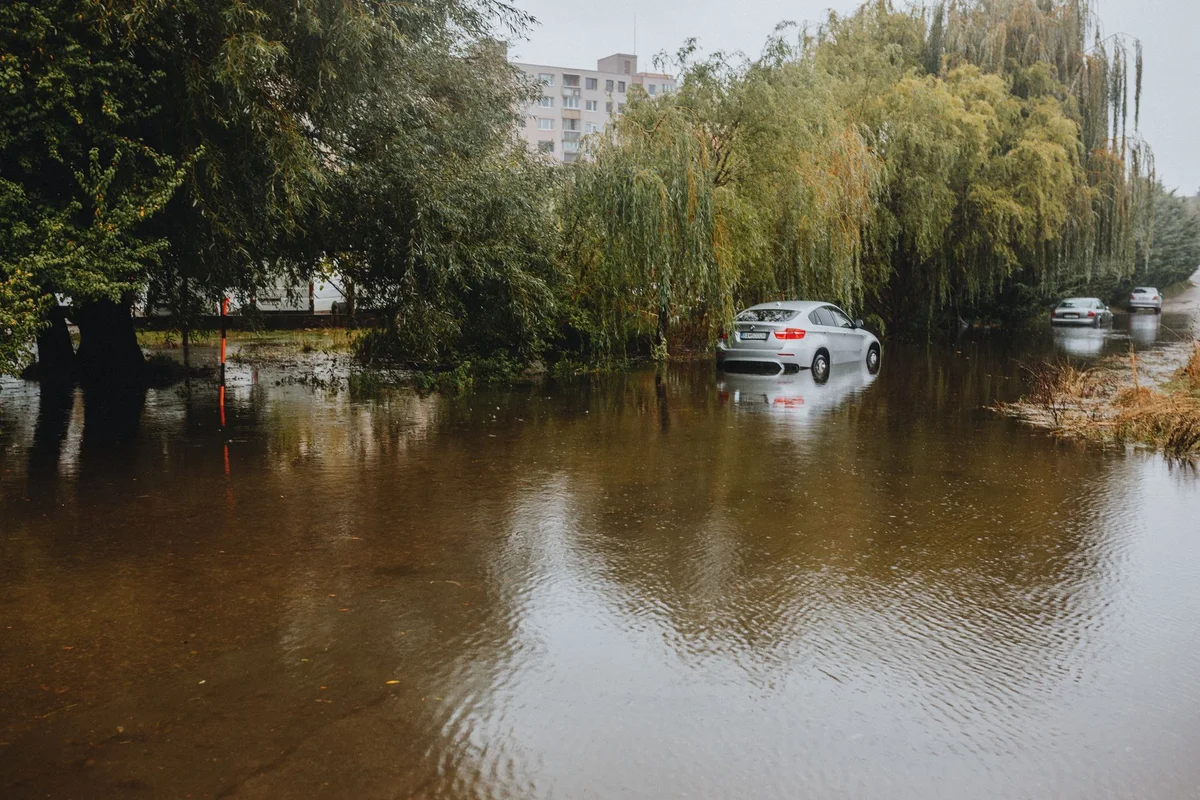
⚠️ CRITICAL EMERGENCY ALERT: The National Weather Service (NWS Chicago/Romeoville) maintains active River Flood Warnings and hydrological advisories across Cook, DuPage, Will, Lake, and surrounding counties following consecutive rounds of torrential convective rainfall. With ground saturation at seasonal peaks and regional waterways operating near flood stages, severe hydraulic backpressure threatens residential combined sewer connections and primary sump systems across the greater Chicago metropolitan area.
📡 Live Weather & Local Infrastructure Conditions
- Official Weather Status: Active NWS River Flood Warnings remain in effect along regional tributaries, accompanied by elevated moisture levels and isolated convective thunderstorm potential. Saturated topsoils have severely diminished natural drainage absorption, leading to rapid surface pooling during localized downpours.
- Municipal Impact: The Metropolitan Water Reclamation District of Greater Chicago (MWRD) continues operating under elevated alert protocols, managing heightened storage levels across the Deep Tunnel system and McCook Reservoir. Urban arterial viaducts and low-elevation municipal trunk lines continue to experience high hydrostatic pressure, increasing the risk of community-level sewer main surcharges.
- Grid & Utility Disruptions: Localized grid fluctuations and lingering utility repairs across northern Illinois continue to impact residential electrical stability. Unmonitored primary sump pumps and properties lacking secondary battery backup units face imminent mechanical failure during sudden subterranean inflows.
⚠️ High-Risk Water Damage Hazards Across Chicagoland
- Category 3 Combined Sewer Backflow: Heavy urban runoff overwhelming municipal mains forces untreated sewage and contaminated runoff backwards into residential lateral lines. This pressure ejects biohazardous blackwater through basement floor drains, showers, and utility sinks, demanding immediate professional Sewage Backup Cleaning to eliminate biological pathogens and sanitize subfloors.
- Sump Basin Surcharge & Float Switch Failure: Continuous groundwater infiltration drives residential sump pumps past standard operational cycles, resulting in motor burnout, thermal overload, or stuck mechanical floats. When basins overflow, subterranean water spreads across finished spaces, requiring urgent Basement Flood Cleanup and high-volume Emergency Water Extraction.
- Capillary Moisture Absorption & Structural Decay: Water pooling on concrete slabs quickly migrates into drywall, framing sill plates, and wood flooring systems. Without immediate industrial dehumidification and thermal imaging assessments, trapped moisture promotes hidden fungal growth and warping, requiring specialized Hardwood Floor Drying and comprehensive Structural Drying.
🚨 Immediate Action Protocol for Property Owners
- Safety First: Never enter a flooded basement until the primary electrical breaker has been safely disconnected from a dry location. Avoid direct contact with standing water or drain overflows, as municipal floodwaters frequently contain industrial and biological contaminants.
- Mitigation Steps: Relocate uncompromised valuables, electronics, and furnishings to upper living levels. Create thorough, timestamped photographic and video documentation of all standing water levels, submerged mechanical systems, and damaged building assemblies prior to water removal.
- Dispatch Support: Contact emergency restoration dispatch to deploy high-volume truck-mounted extraction units, hospital-grade antimicrobial washdowns, and psychrometric drying configurations. Experienced technicians provide direct insurance carrier billing and coordinate directly with adjusters to accelerate claim processing.