Burst Pipe Water Extraction in Chicago
24/7 emergency water removal for burst and frozen pipes in chicago. Connect with local dispatchers to extract standing water, dry walls and ceilings, and document moisture to help identify areas at risk of secondary damage.
Common Pipe Burst Emergencies We Handle
Our rapid response crews are equipped to contain and extract water from any residential or commercial plumbing failure:
Chicago Burst Pipe Water Extraction Process
From the initial 24/7 emergency dispatch to documented drying and moisture verification, our systematic 5-stage protocol stops active water intrusion, eliminates trapped moisture, and protects structural framing.
Contact & 24/7 Rapid Dispatch
Available 24 hours a day. Speak directly with a local Chicago dispatcher who assists with immediate water shutoff guidance while routing the nearest mobile extraction unit to your address.
Containment & Thermal Moisture Assessment
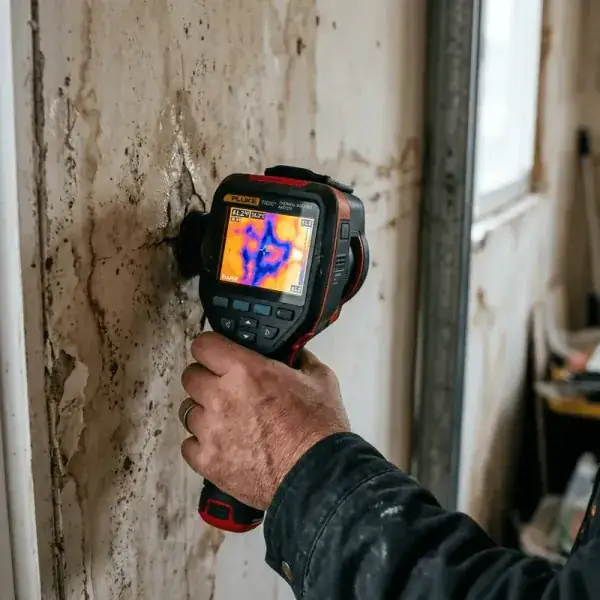
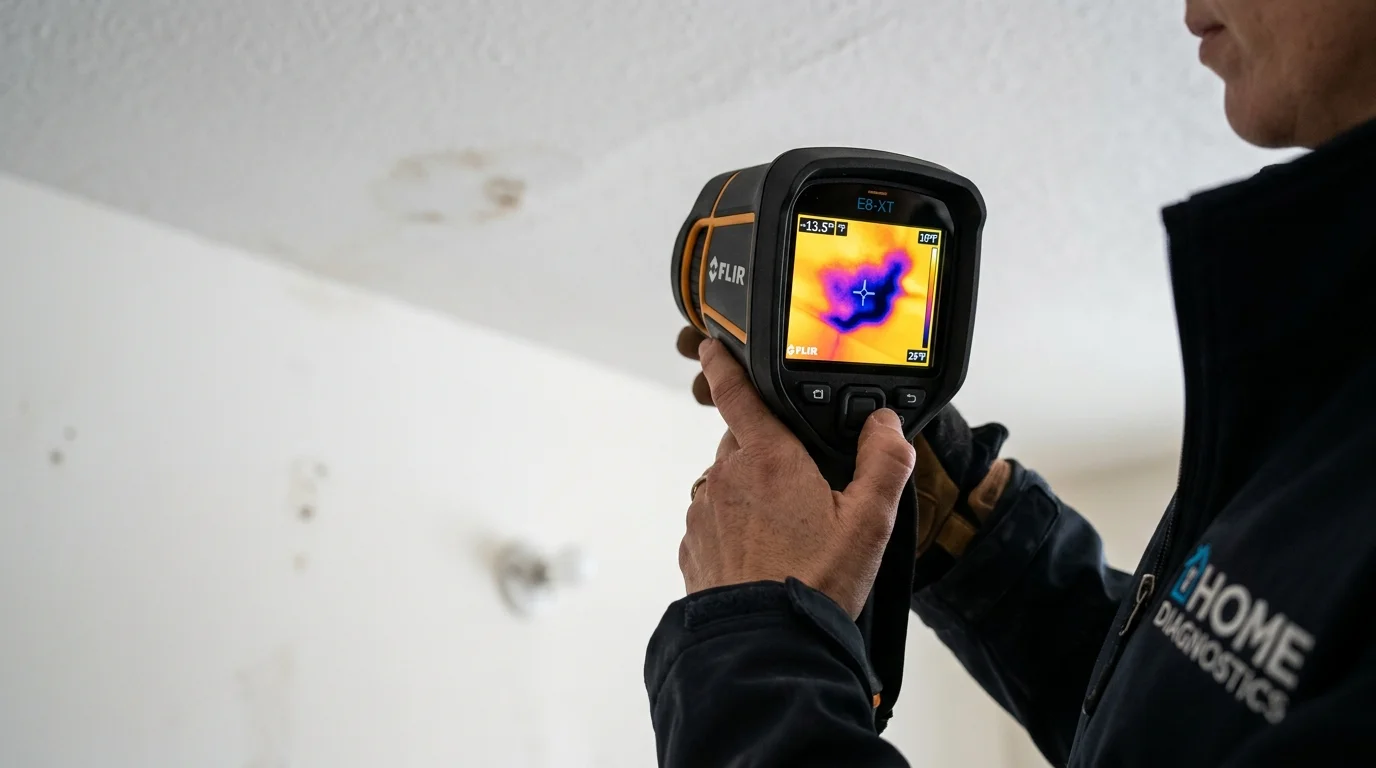
Upon arrival, technicians isolate water valves, inspect electrical panels for safety, and deploy FLIR infrared cameras to pinpoint moisture pockets trapped behind drywall and ceiling joists.
Bulk Standing Water Removal
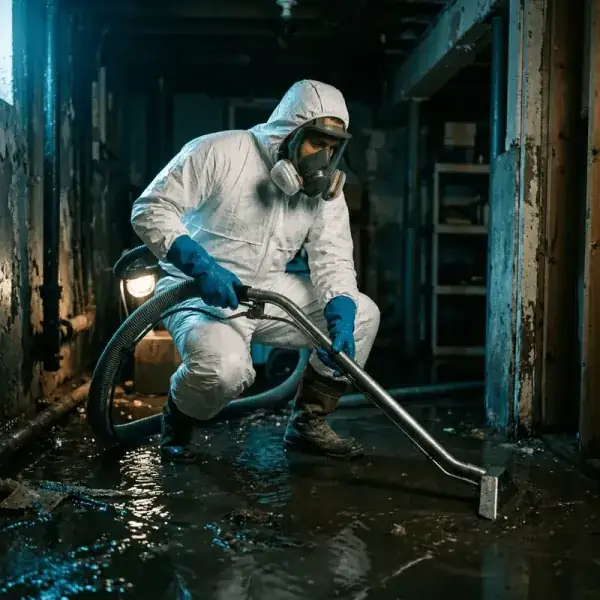
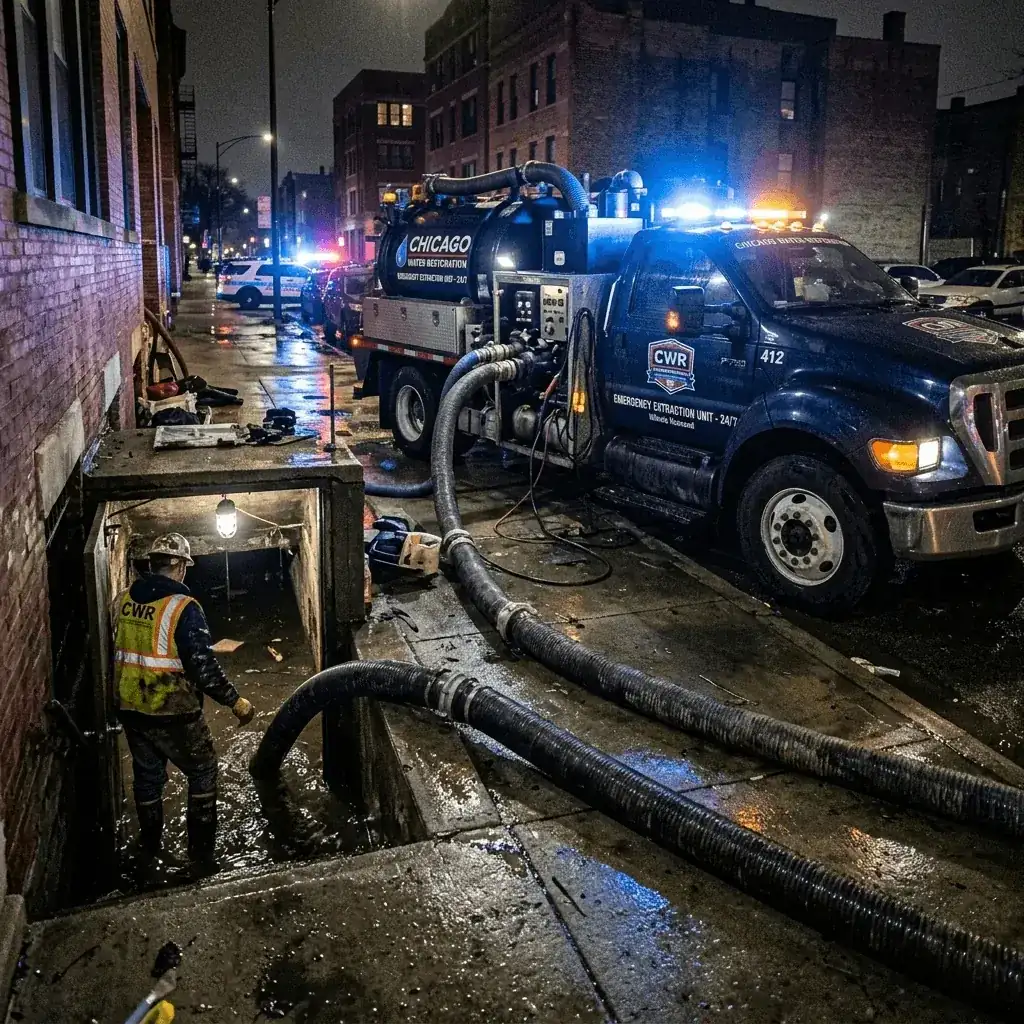
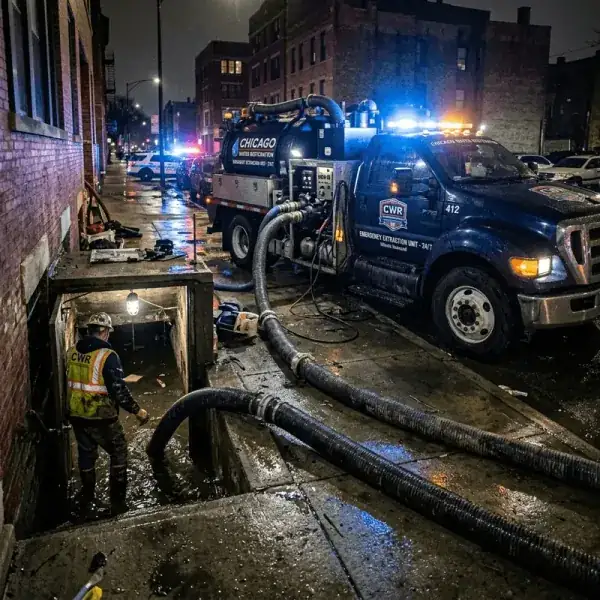
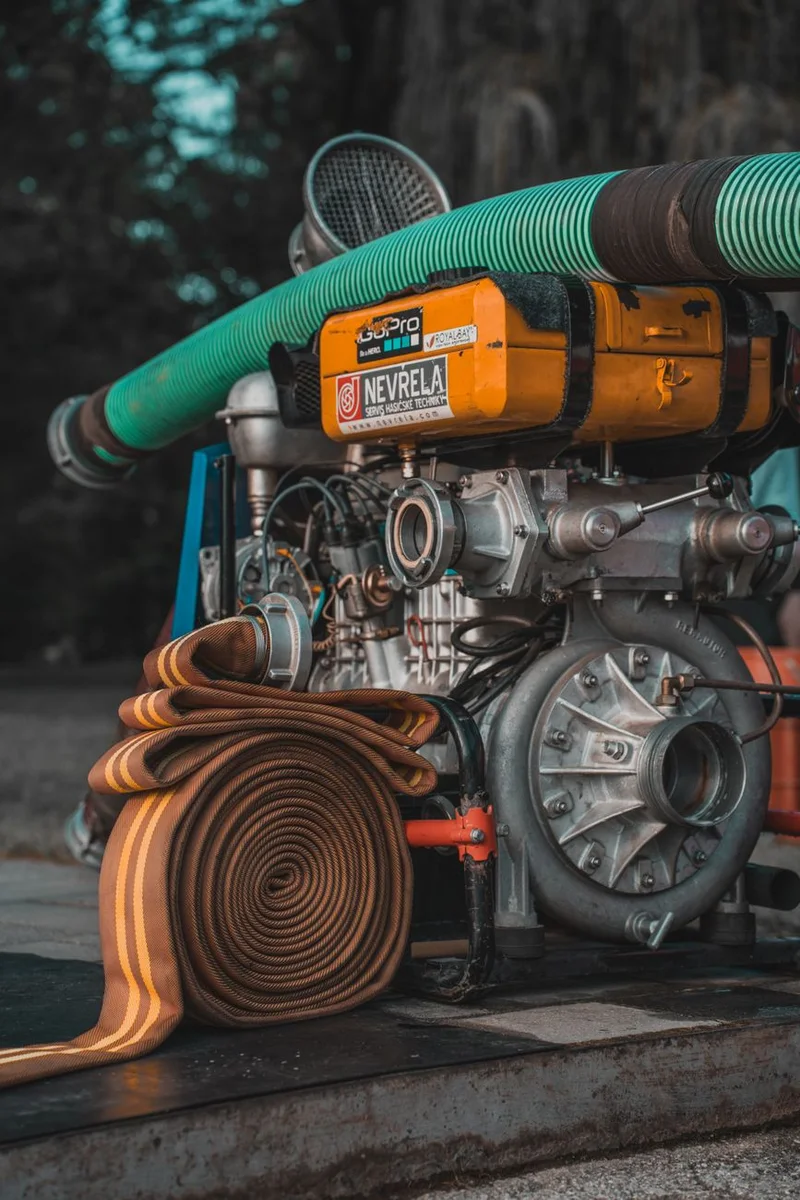
Industrial truck-mounted vacuum systems rapidly pull standing water from saturated hardwood floors, carpets, and basements to minimize subfloor absorption and wood cell expansion.
Structural & Wall Cavity Drying
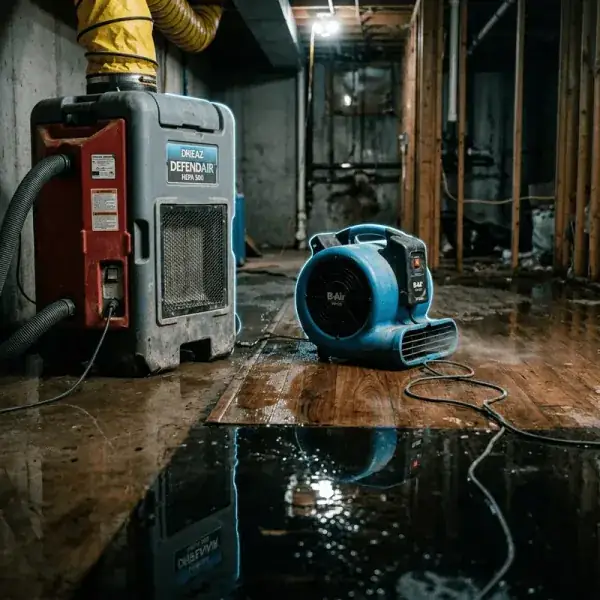
Injectidry air injection systems force dry air directly into wet wall studs, knee walls, and ceiling joists, while Low Grain Refrigerant (LGR) dehumidifiers draw deep moisture vapor from timber.
Documented Drying & Claims Verification
Technicians record daily psychrometric moisture curves until materials reach certified dry standards, providing you with comprehensive documentation and scope logs to support your insurance claim filing.
Contact & 24/7 Rapid Dispatch
Available 24/7. Speak directly with a local dispatcher for rapid crew routing to your location.
Containment & Thermal Moisture Assessment
We isolate water valves, inspect electrical safety, and scan with FLIR thermal cameras to map hidden moisture.
Bulk Standing Water Removal
Truck-mounted extraction pumps quickly remove standing water from flooring, carpets, and basements.
Structural & Wall Cavity Drying
Injectidry wall air injectors and commercial LGR dehumidifiers dry wall studs, joists, and subfloors completely.
Documented Drying & Claims Verification
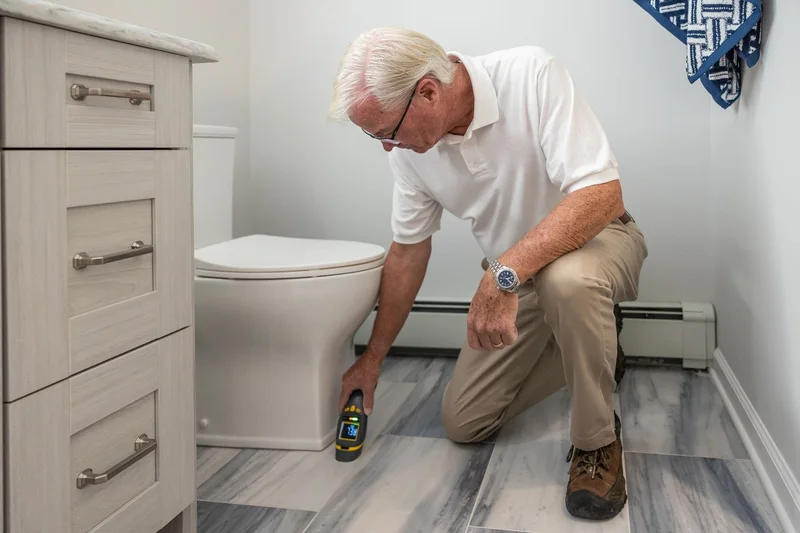
Moisture meter verification and itemized documentation to assist with your insurance claim filing.
Emergency Burst & Frozen Pipe Water Removal Throughout Chicago
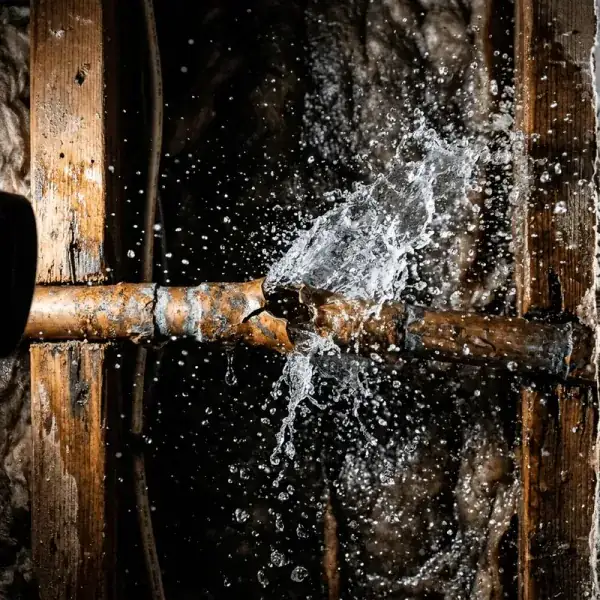
A burst or frozen pipe can release hundreds of gallons of water into a Chicago home in a matter of minutes. Whether from an exterior wall freeze during a winter polar vortex or a failed pressurized supply line, standing water spreads rapidly beneath hardwood flooring, inside wall cavities, and through ceilings. Fast extraction and structural drying are critical to prevent catastrophic collapse and microbial growth.
Chicago Water Emergency provides 24/7 burst pipe water extraction for single-family homes, historic 2-flats and 3-flats, condominiums, and commercial properties across Chicago and surrounding Cook County suburbs. Our emergency response includes high-capacity standing water removal, non-invasive infrared moisture mapping, wall and ceiling cavity drying, hardwood floor stabilization, and comprehensive documentation for your insurance claim.
Need Immediate Emergency Water Removal?
Call our Chicago dispatch line at (844) 213-6249. We have response units stationed across the North Side, West Side, South Side, and Downtown for typical 30–60 minute arrival depending on location and provider availability.
Active Water Leak or Burst Pipe Right Now?
Every 30 minutes of delay allows pressurized water to penetrate deeper into insulation, subflooring, and ceiling joists. Call immediately to dispatch an emergency extraction crew.
What to Do When a Pipe Bursts in Your Home
Taking these immediate steps can help reduce water damage, prevent electrical hazards, and protect your property while professional extraction crews are on the way.
Shut Off the Main Water Supply
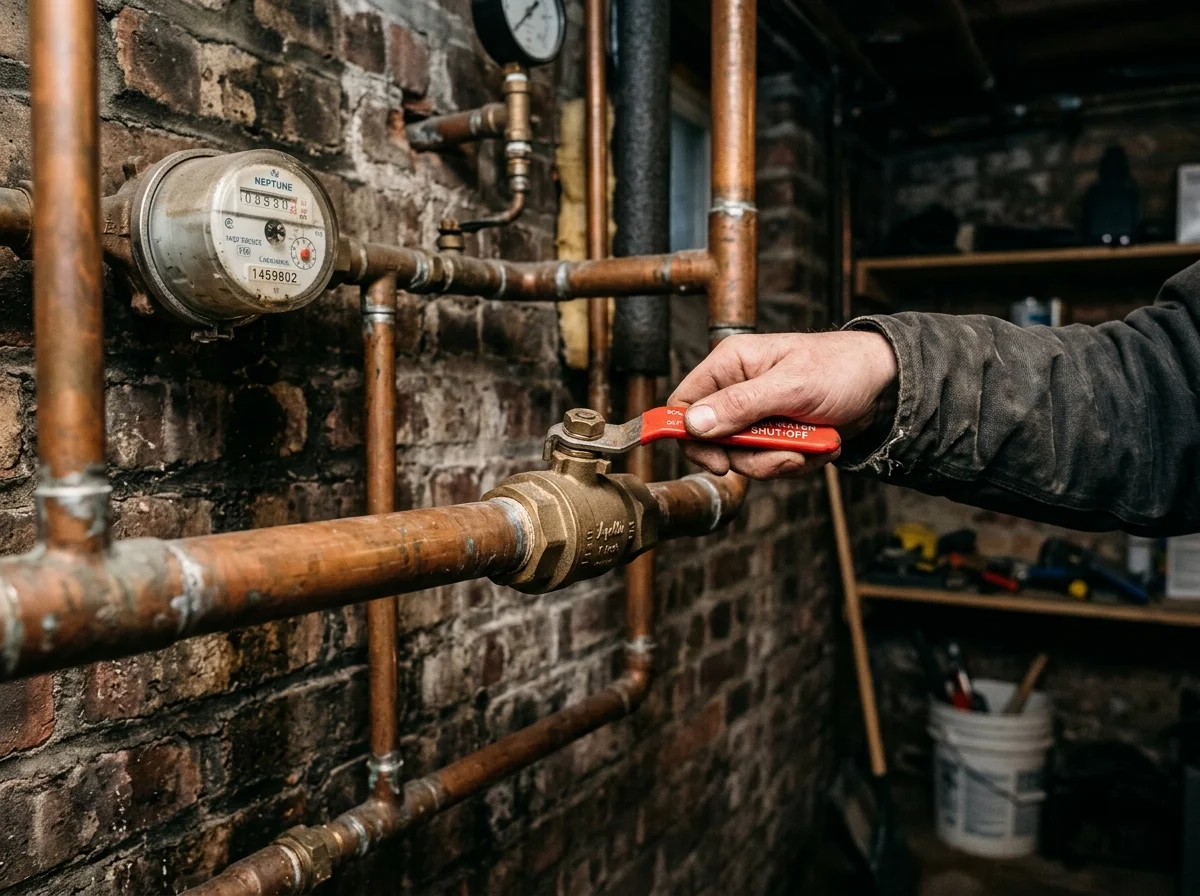
Locate your main water meter valve (typically in the basement near the street side or in a utility closet) and turn it clockwise until fully closed to stop the flow of pressurized water.
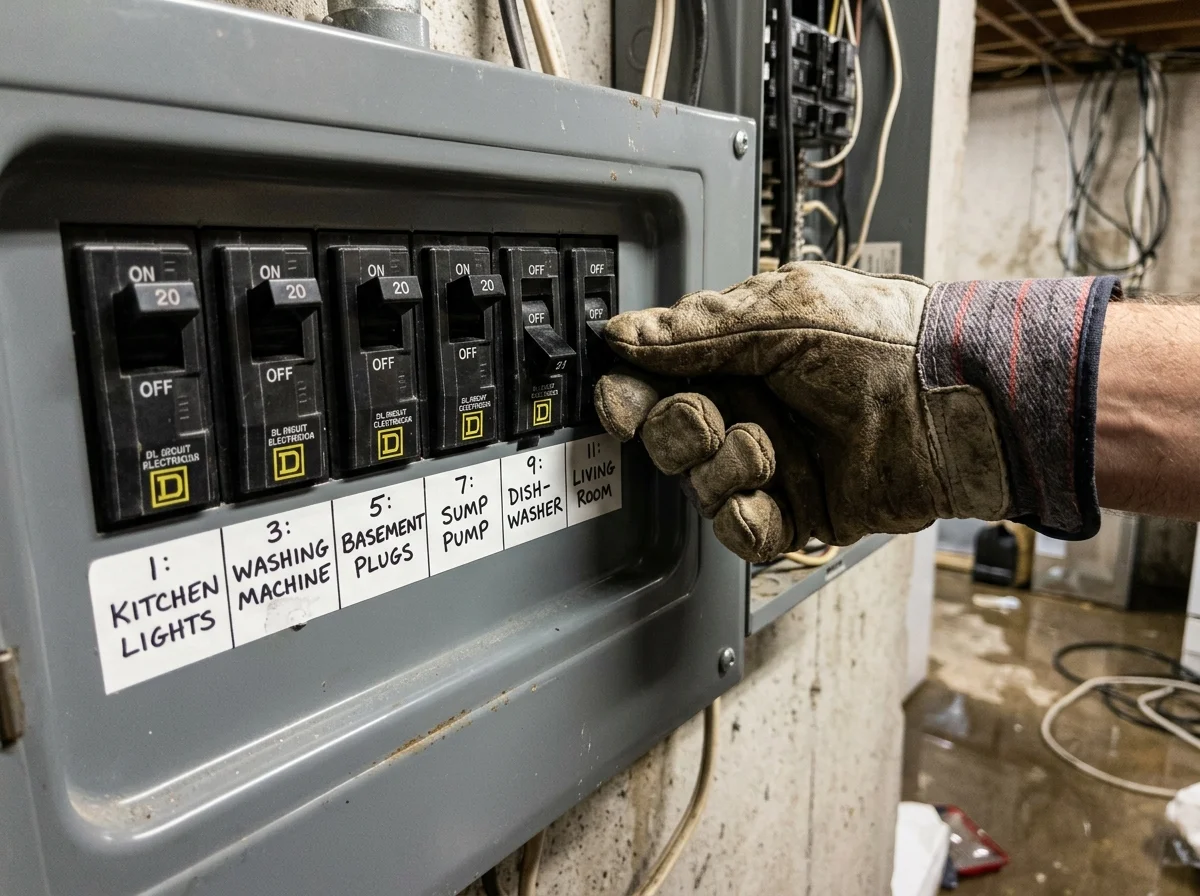
Turn Off Electrical Breakers Safely
If standing water has reached electrical outlets, baseboard heaters, or light fixtures, cut power to the affected circuits at the main electrical breaker. Never step into standing water to reach a panel.
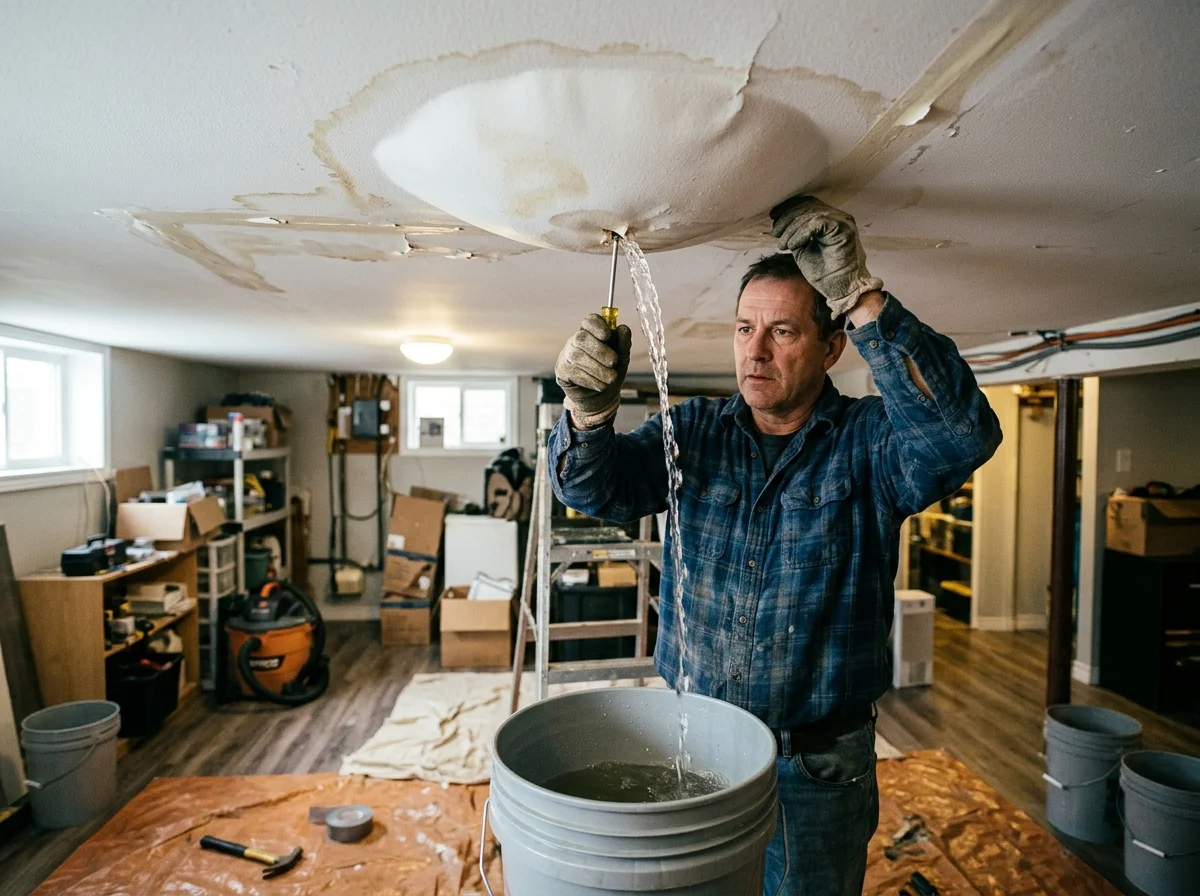
Avoid Disturbing Damaged Ceilings
If a ceiling is sagging or holding trapped water, keep people and pets out of the area immediately to prevent injury from sudden collapse. Allow equipped professionals to safely relieve and drain the water with proper containment.
Move High-Value Valuables & Furniture
Remove rugs, electronics, paper documents, and upholstered furniture from wet flooring. Place aluminum foil or plastic wrap under wooden furniture legs to prevent wood stain bleeding onto carpets.
Document Damage with Photos & Video
Before moving damaged items or clearing water, take clear photos and video of the standing water depth, the source pipe if accessible, and affected belongings for your insurance adjuster.
Dispatch Professional Extraction Crews
Water seeps into subfloors and wall insulation within 30 minutes. Contact our 24/7 Chicago dispatch line to deploy truck-mounted extractors, thermal imaging cameras, and cavity drying systems.
Burst Pipe Repair & Emergency Water Extraction: How We Work
When a pipe bursts, two critical tasks must happen: stopping and repairing the plumbing breach, and extracting standing water while drying structural materials.
Our emergency teams focus primarily on rapid water extraction, thermal moisture mapping, and structural dehumidification to save your floors, drywall, and framing. If the ruptured pipe requires physical plumbing repairs (such as soldering copper, replacing PEX lines, or fitting new valves), our technicians isolate the water supply immediately upon arrival and can seamlessly coordinate with licensed Chicago plumbing professionals while our team handles the flood containment.
Complete Flood Scope
- 1.Immediate water source shutoff & containment
- 2.High-volume standing water extraction
- 3.Thermal infrared hidden moisture scanning
- 4.Injectidry wall & ceiling cavity drying
- 5.Coordination for plumbing line repairs
- 6.Insurance moisture logs & billing documentation
Where Can Water From a Burst Pipe Hide?
Removing visible standing water from your floor addresses less than 30% of the total water released. Water follows gravity and capillary action, migrating deep into building assemblies:
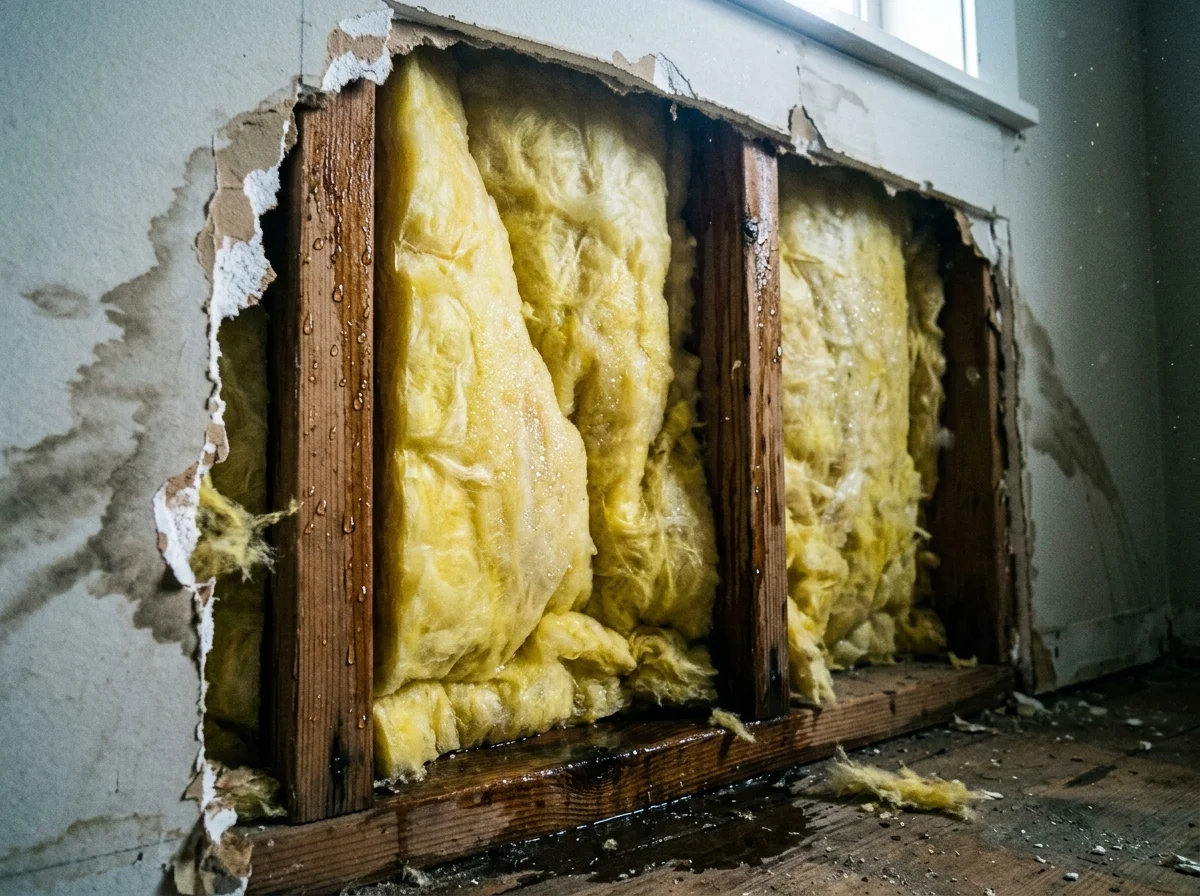
Wall Cavities & Insulation
Drywall and fiberglass insulation absorb water like a sponge. Trapped moisture inside wall studs can remain wet for weeks, promoting hidden black mold if not dried with directed air injection.
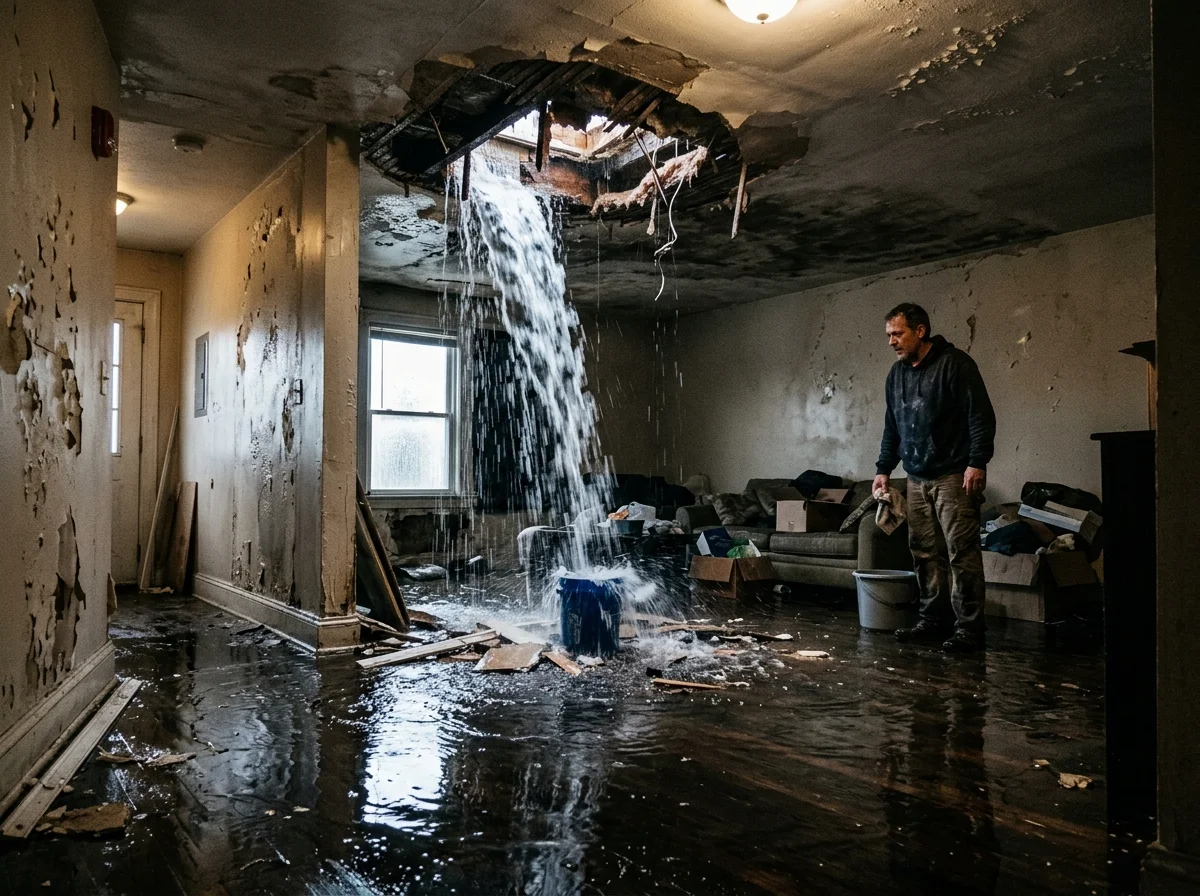
Ceiling Joists & Drywall
Water from second-floor or attic pipe bursts runs along horizontal floor joists, collecting in low spots above ceiling drywall before creating heavy water blisters or sudden drywall collapse.
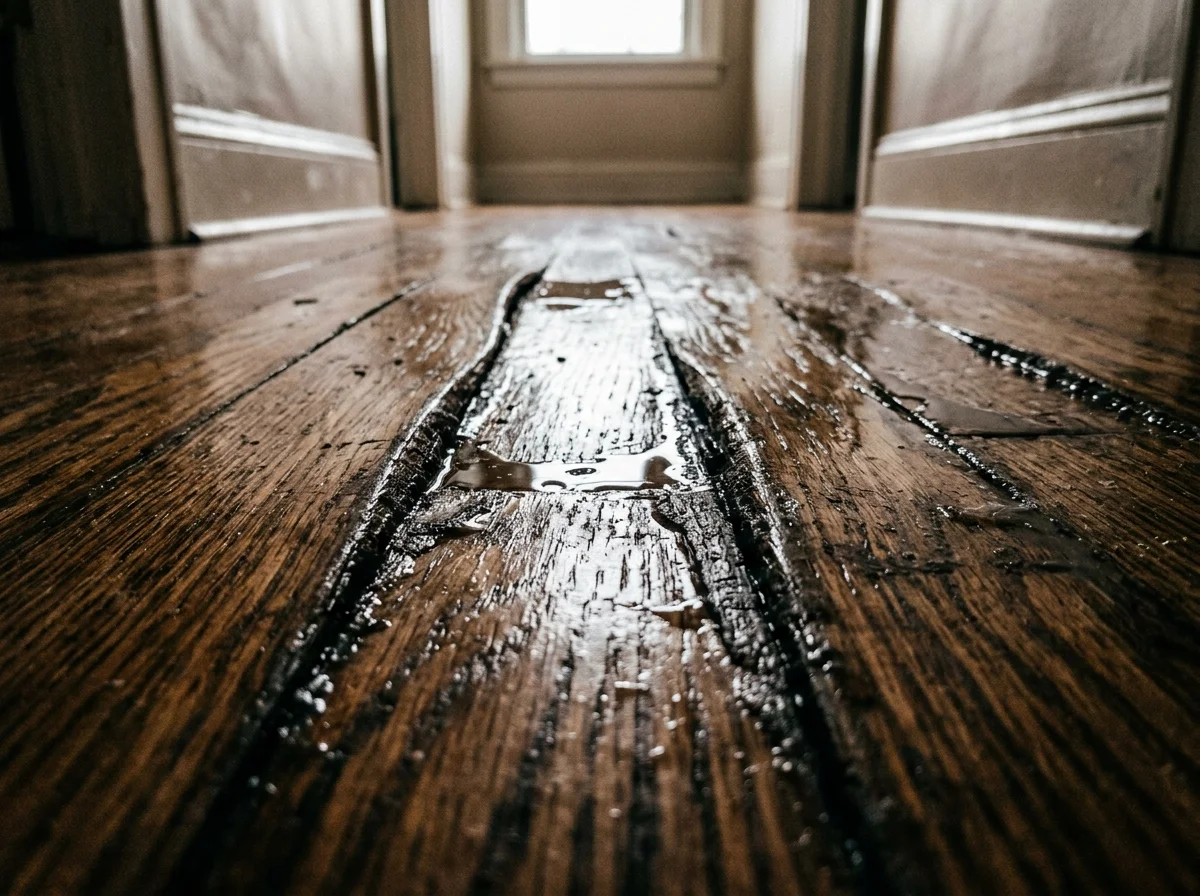
Subflooring & Hardwood Layers
Moisture quickly slips between floorboards into plywood or OSB subflooring. Without vacuum suction mats, trapped subfloor moisture causes permanent hardwood cupping, crowning, and buckling.
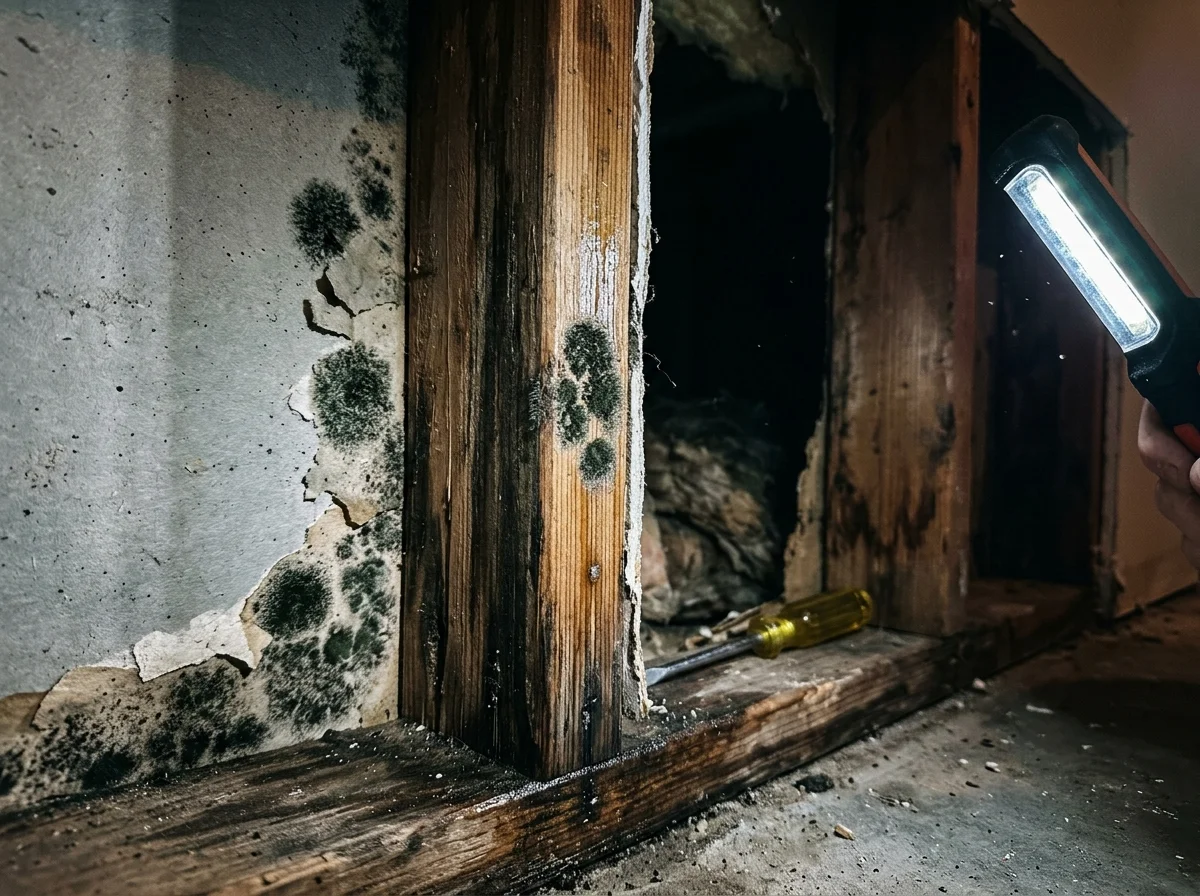
Behind Base Cabinets & Vanities
Kitchen and bathroom pipe bursts push water beneath cabinet toe-kicks and behind rear vanity walls, creating dark, damp breeding grounds for bacteria and microbial odors.
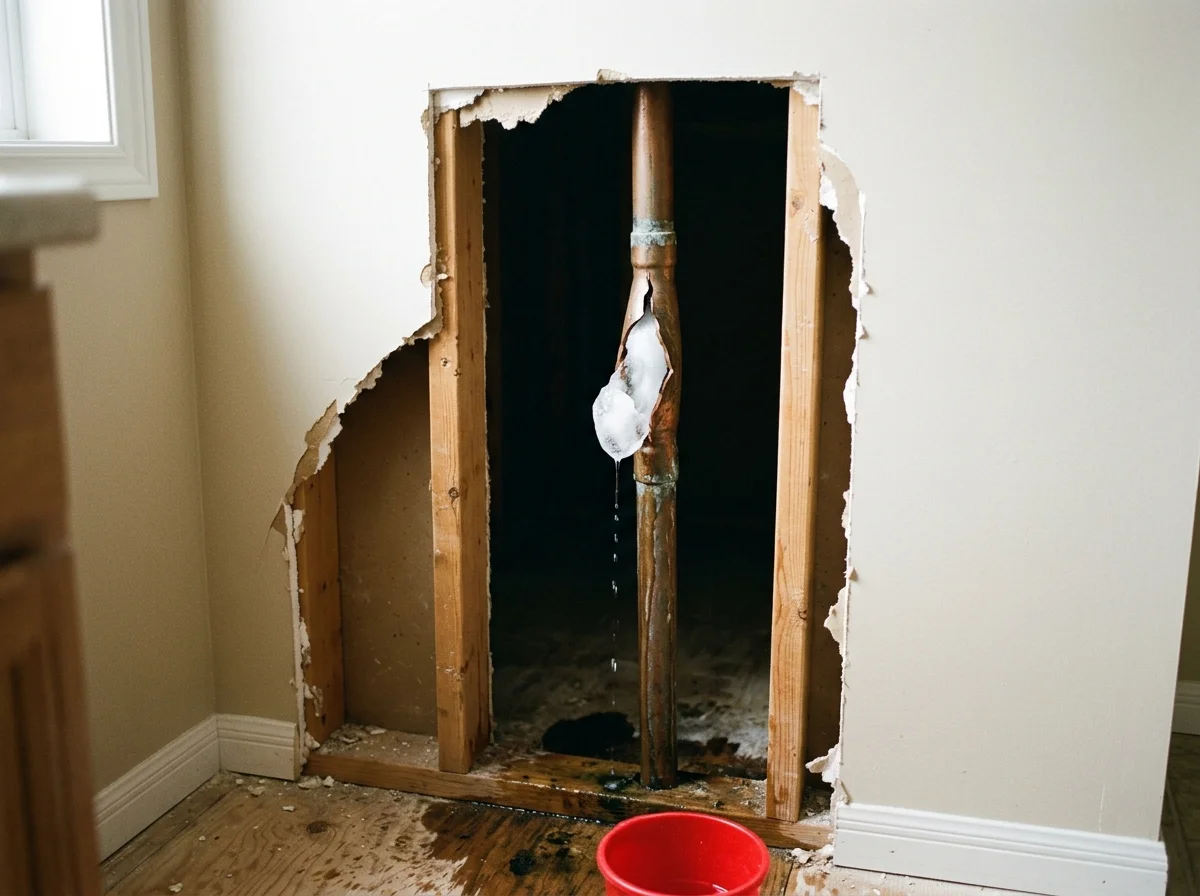
Basement Sill Plates & Framing
In multi-story Chicago 2-flats, water travels down exterior brick chases and interior plumbing stacks, pooling on basement sill plates and soaking foundation perimeter framing.
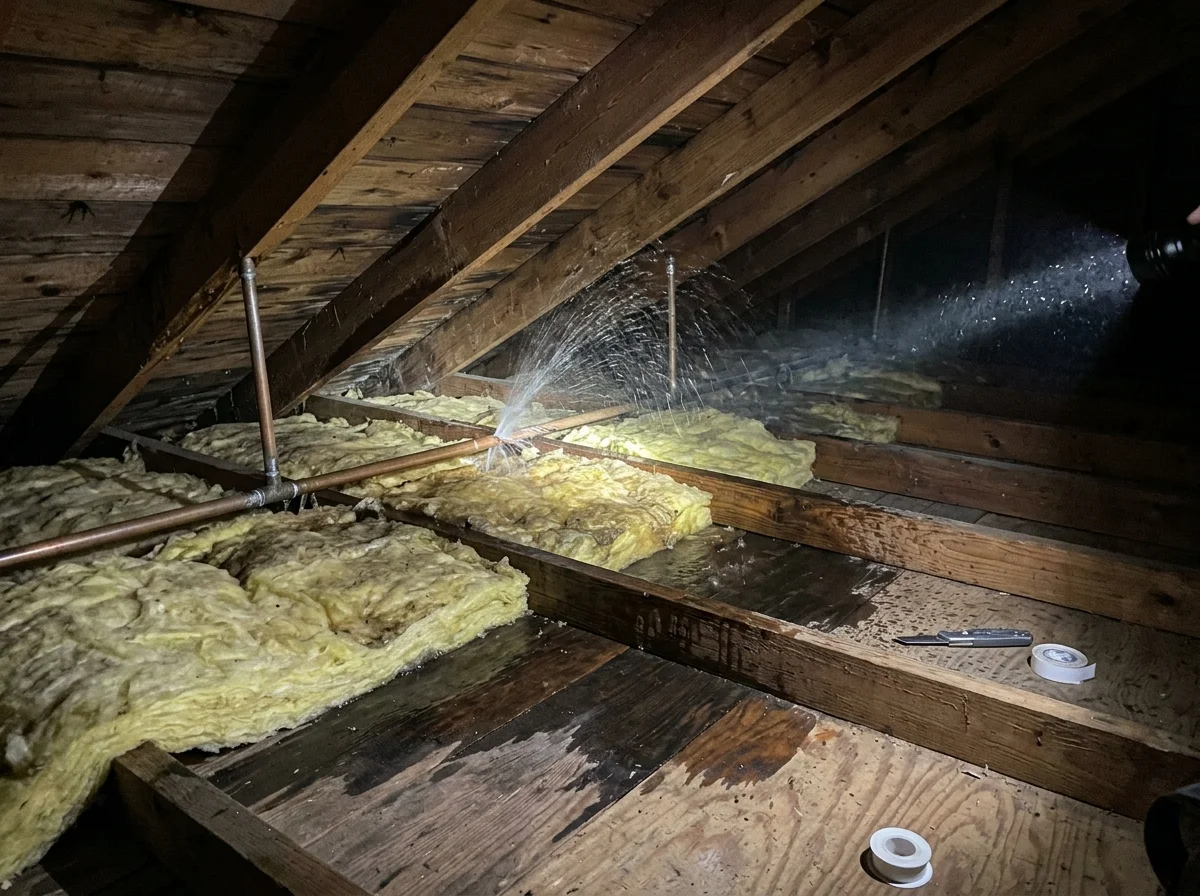
HVAC Ducts & Attic Rafters
Water enters floor vents and electrical conduit runs, traveling between rooms and distributing moisture through ductwork, which requires immediate air filtration and duct drying.
Frozen Pipe vs. Burst Pipe Damage: Why the Thaw Is the Danger Zone
During Chicago winters, sub-zero winds push cold air through drafty brick foundations, uninsulated exterior walls, and unheated crawlspaces. Understanding how a freeze turns into a flood is key to preventing catastrophic damage:
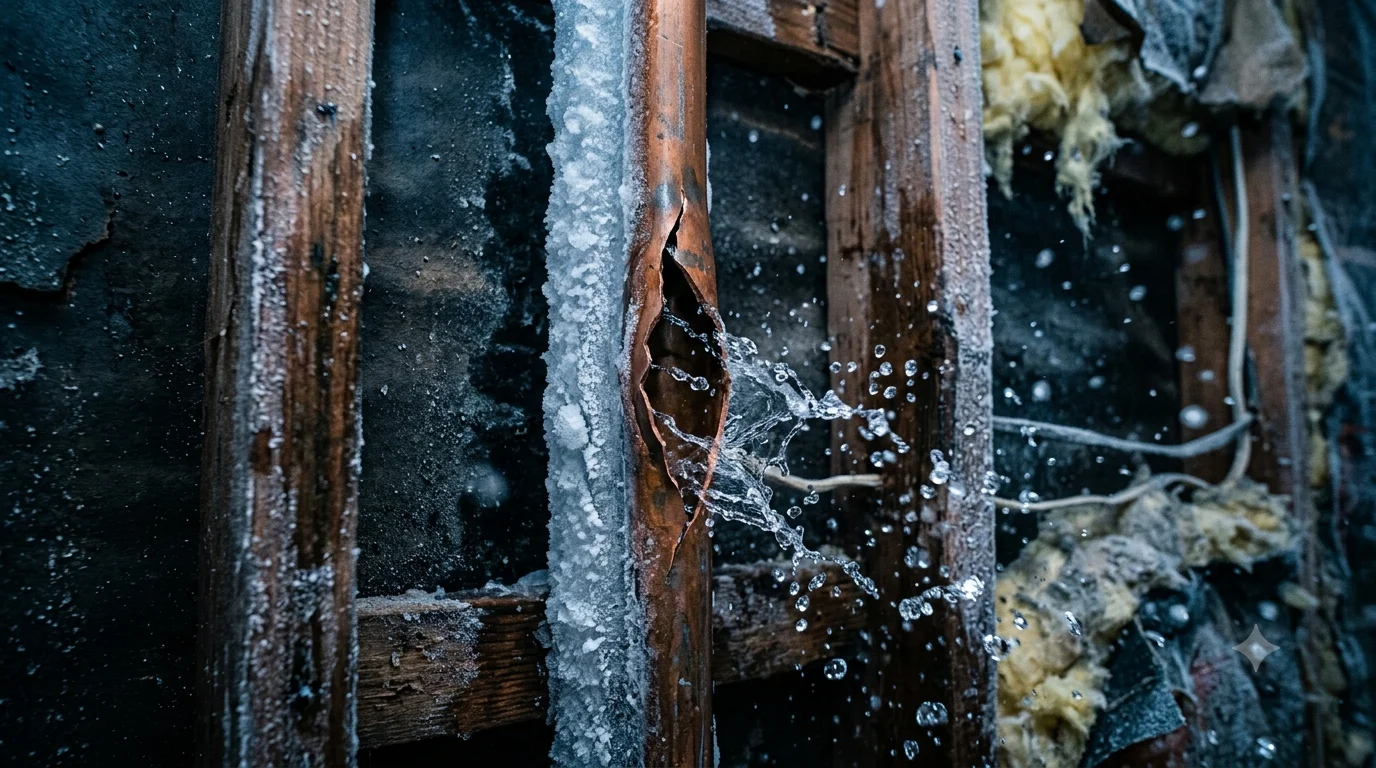
Water freezes inside an uninsulated or draft-exposed pipe, creating an ice blockage. As ice expands within the pipe, trapped hydraulic pressure builds between the blockage and closed faucets, causing the pipe seam or solder joint to split.
While the pipe is frozen solid, the ice plug temporarily seals the rupture. When indoor heat or outdoor temperatures rise, the ice melts, allowing municipal line pressure to gush through the split pipe and spread through floors, walls, and ceiling cavities.
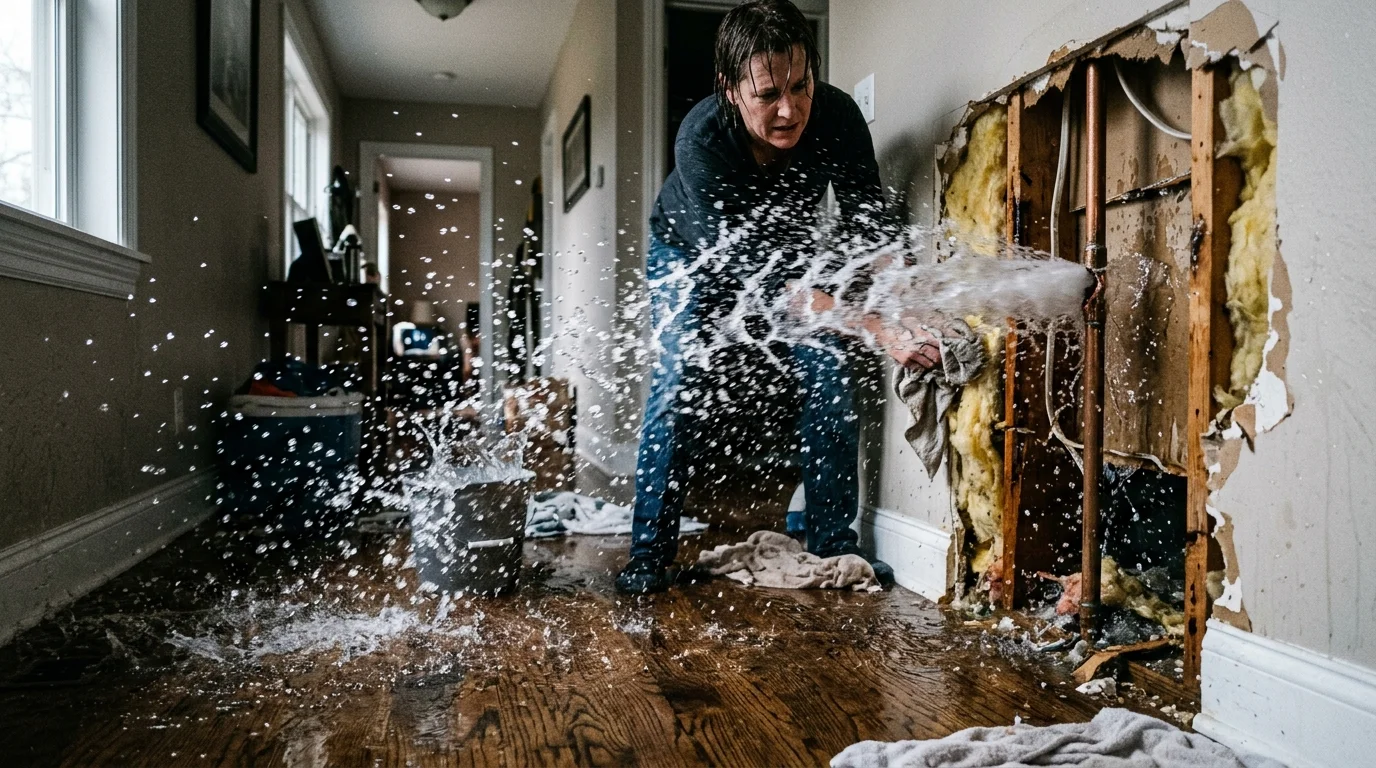
Common Freeze-Prone Locations in Chicago Buildings
- Exterior Brick Cavity Walls: Vintage Chicago 2-flats and bungalows where water lines run along north-facing exterior walls without sufficient batt insulation.
- Unheated Attics & Knee Walls: Plumbing runs supplying upper-story bathrooms or radiator expansion tanks in drafty attic spaces.
- Basement Window Wells & Rim Joists: Supply lines located within 24 inches of uninsulated basement windows or drafty sill plates.
- Outdoor Hose Bibs & Sillcocks: Garden spigots left connected to hoses over winter, trapping water inside the exterior wall valve.
Burst Pipe Cleanup in Chicago: Beyond Simple Water Removal
Thorough burst pipe cleanup involves far more than shop vacs and towels. Water from broken pipes dissolves drywall compounds, saturates insulation, and mobilizes dormant mold spores. Our comprehensive cleanup protocol includes:
Industrial Water Extraction
High-volume truck-mounted extraction units quickly remove thousands of gallons of standing water from flooded living rooms, finished basements, and multi-unit hallways.
Antimicrobial Decontamination
EPA-registered botanical antimicrobials are applied to wet structural framing, wall studs, and subfloors to prevent black mold germination and eliminate stale water odors.
Deep Psychrometric Dehumidification
Low Grain Refrigerant (LGR) industrial dehumidifiers and centrifugal air movers operate continuously to pull embedded moisture vapor out of timber framing and concrete slabs.
Burst Pipe Water Extraction Throughout Chicago
We provide 24/7 emergency water extraction across all 77 Chicago community areas, Cook County, and adjacent suburbs. Strategic response vehicles ensure fast 30–45 minute arrival.
North & Northwest Chicago
West Chicago & Near West
South Side & Downtown Loop
Insurance Documentation & Claims Support
Dealing with water damage can be stressful. Depending on the independent provider you are connected with, insurance-related support may include comprehensive moisture mapping logs, photographic damage records, and itemized scope documentation to help with your claim filing. Insurance coverage, deductibles, and billing arrangements vary by provider and policy terms.
Frequently Asked Emergency Questions
What should I do immediately while waiting for your emergency team to arrive?▾
- Turn off your main water shutoff valve immediately if safely accessible.
- Shut off electricity at the main breaker to flooded areas to eliminate electrocution hazards.
- Avoid contact with standing water or sewage (Category 3 biohazard contamination).
- Take photos and videos of standing water and affected belongings for insurance claims documentation.
Why do pipes freeze and burst so frequently in Chicago?▾
Chicago's sub-zero winter temperatures ('Polar Vortex' events) freeze uninsulated copper or PEX pipes located in exterior walls, unheated attics, and crawlspaces. Water expands as it freezes, creating immense internal pressure that ruptures pipe walls.
What should I do if a pipe bursts in my ceiling or walls?▾
- Turn off your property's main water valve immediately.
- Shut off electricity to affected rooms at the circuit breaker.
- Call our 24/7 dispatch hotline for rapid extraction, containment, and FLIR infrared leak location.
How do you locate the exact source of a hidden ceiling leak?▾
We deploy FLIR thermal imaging moisture cameras and non-invasive moisture meters to detect temperature differentials behind drywall, pinpointing exact pipe ruptures or subfloor leaks without unnecessary destructive wall demolition.
How much water can a burst pipe release into a Chicago home?▾
A pressurized supply line can release 4 to 8 gallons per minute (hundreds of gallons per hour). In multi-story Chicago 2-flats, 3-flats, or condos, water quickly travels down plumbing chases, spreading across multiple floors, ceiling cavities, and basements until the main water shutoff valve is closed.
Do you repair the burst plumbing pipe or only extract the water and dry the structure?▾
Our primary emergency scope is rapid standing water extraction, thermal moisture detection, and structural dehumidification to prevent structural collapse and mold.
Upon arrival, we isolate the water source and coordinate with licensed plumbing professionals for pipe soldering or re-piping while our technicians dry your walls, ceilings, and flooring.
Can water from a burst pipe get inside walls and ceiling cavities?▾
Yes. Water flows along joists, wall studs, electrical conduits, and plumbing chases, quickly saturating drywall, plaster, and fiberglass insulation.
Without specialized cavity injection drying (Injectidry systems), trapped hidden moisture triggers microbial mold growth within 24 to 48 hours.
Can hardwood floors damaged by a burst pipe be saved without replacement?▾
Yes, when mitigation begins within 24 to 48 hours. We deploy commercial Injectidry vacuum floor mats that create negative pressure across wood planks, drawing subfloor moisture straight up through the pores before permanent wood cell warping and cupping become irreversible.
How long does burst pipe water extraction and structural drying take?▾
Bulk water extraction and emergency containment are typically completed during the initial visit (2–4 hours).
Total structural drying requires 3 to 5 days depending on affected building materials (drywall, plaster, hardwood, subflooring), temperature, and humidity, with technicians monitoring moisture readings daily until baseline dry standards are reached.
Does homeowners insurance cover water damage from a frozen or burst pipe?▾
Yes. Most standard homeowners insurance policies cover sudden and accidental water damage resulting from burst or frozen pipes.
Technicians provide detailed moisture logs, photographic damage evidence, and itemized Xactimate scope reports to support your insurance claim filing directly with your carrier.
How do technicians find hidden water after a pipe burst?▾
We utilize non-invasive FLIR infrared thermal imaging cameras to locate cold moisture pockets behind walls and under floors, combined with calibrated pinless radio-frequency moisture meters. This allows precise moisture mapping without tearing down intact plaster or drywall.
Our Other Services
Chicago's full-spectrum water emergency response — drag or swipe to explore every service we dispatch.